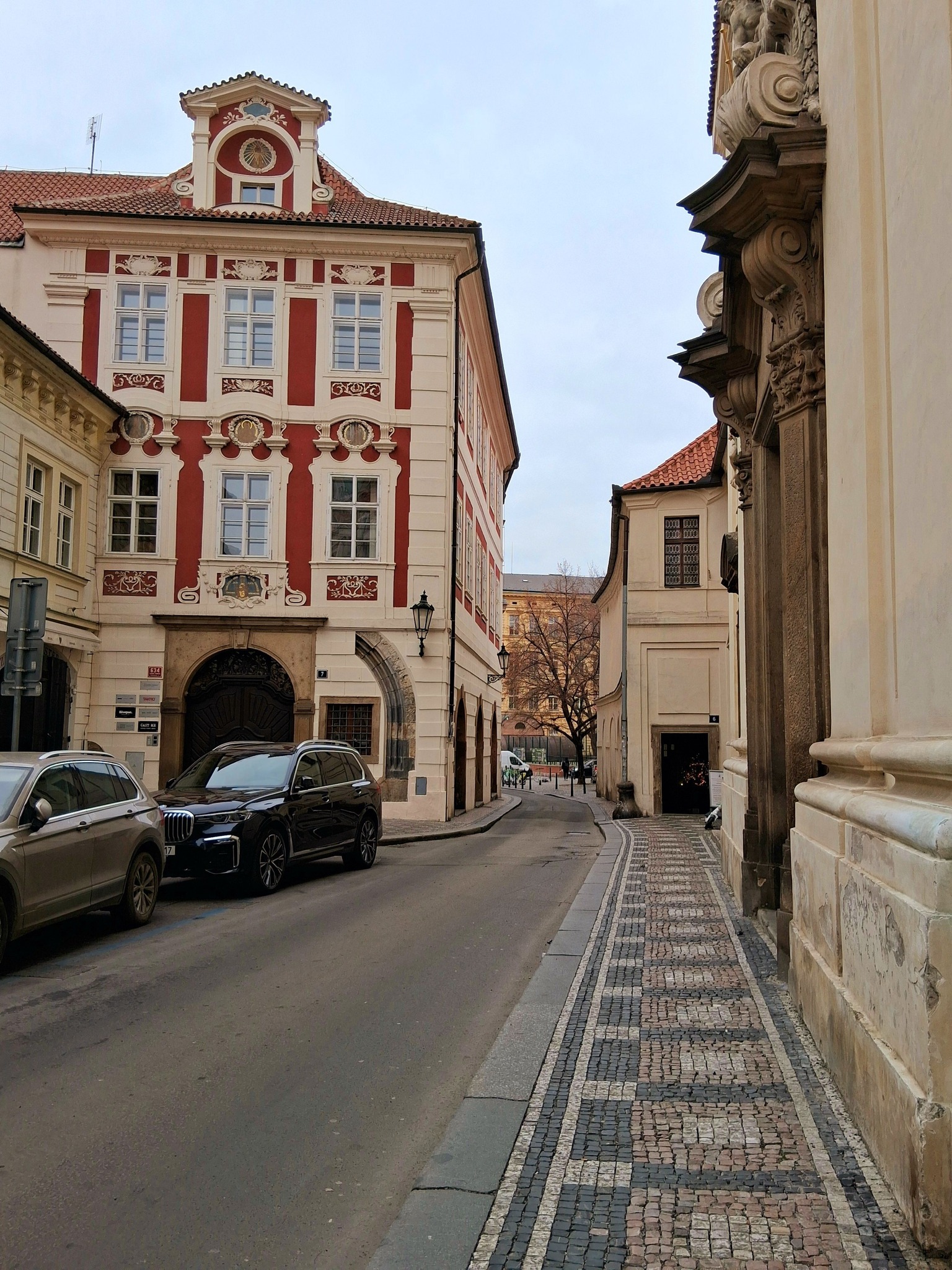
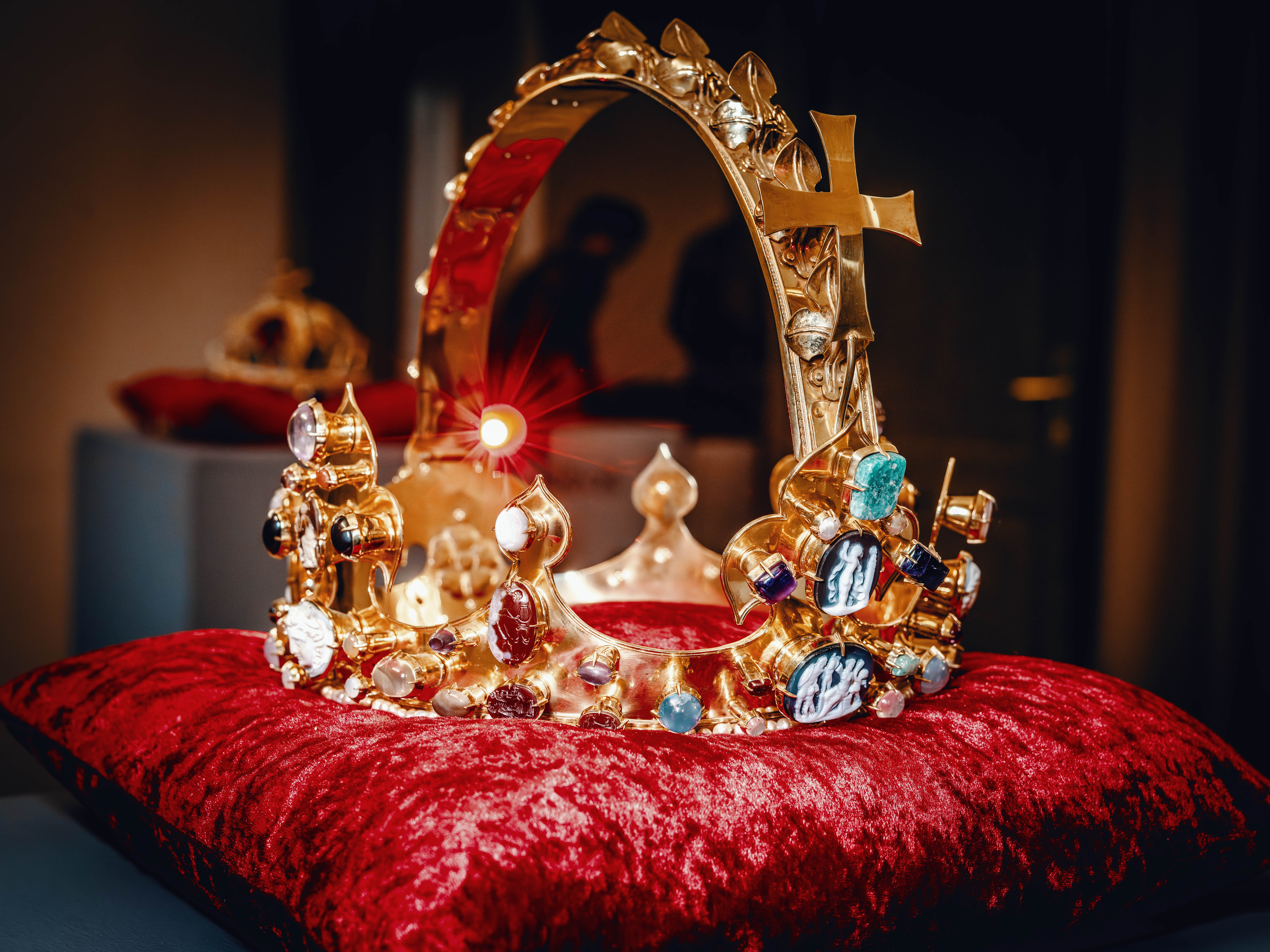
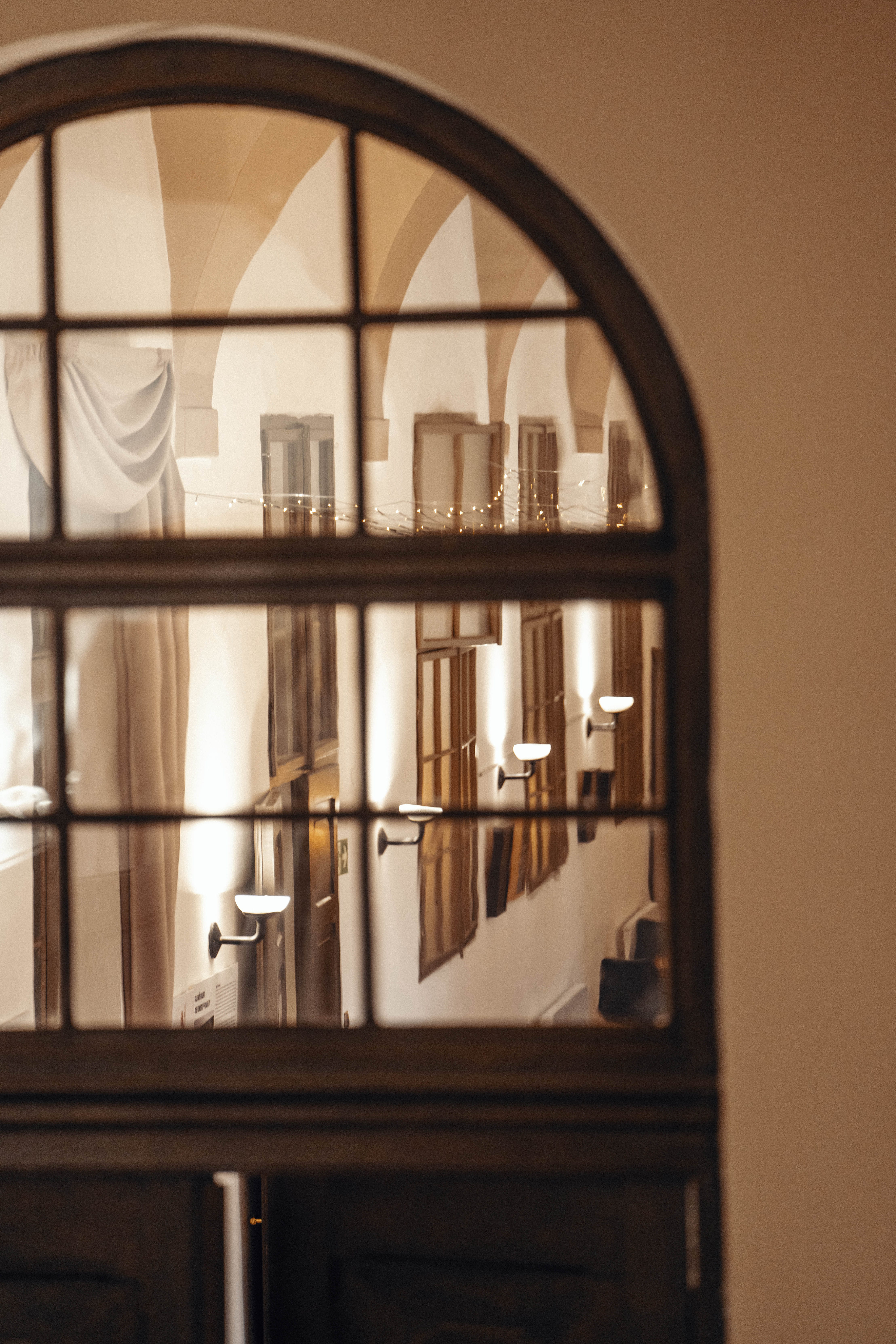
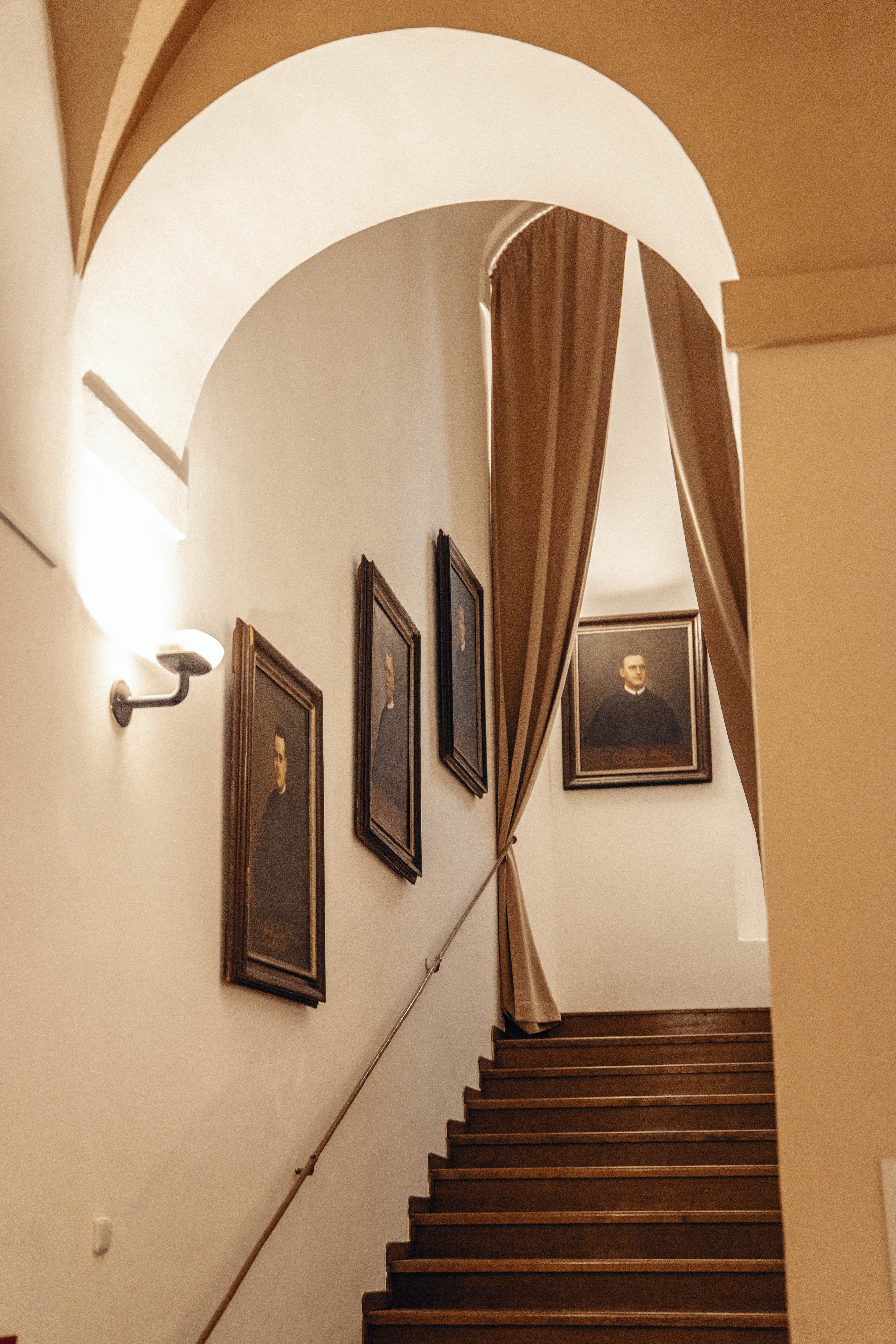
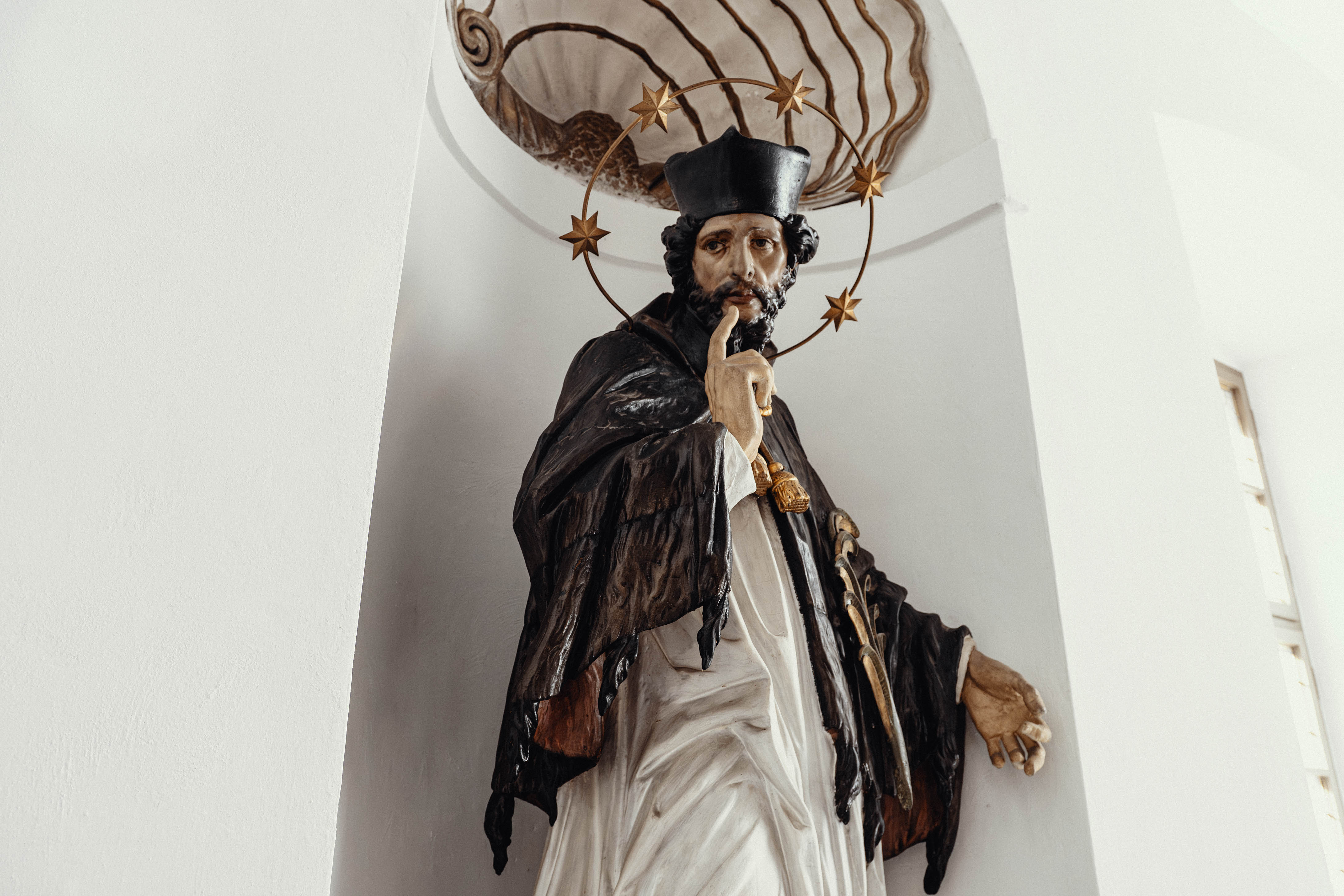
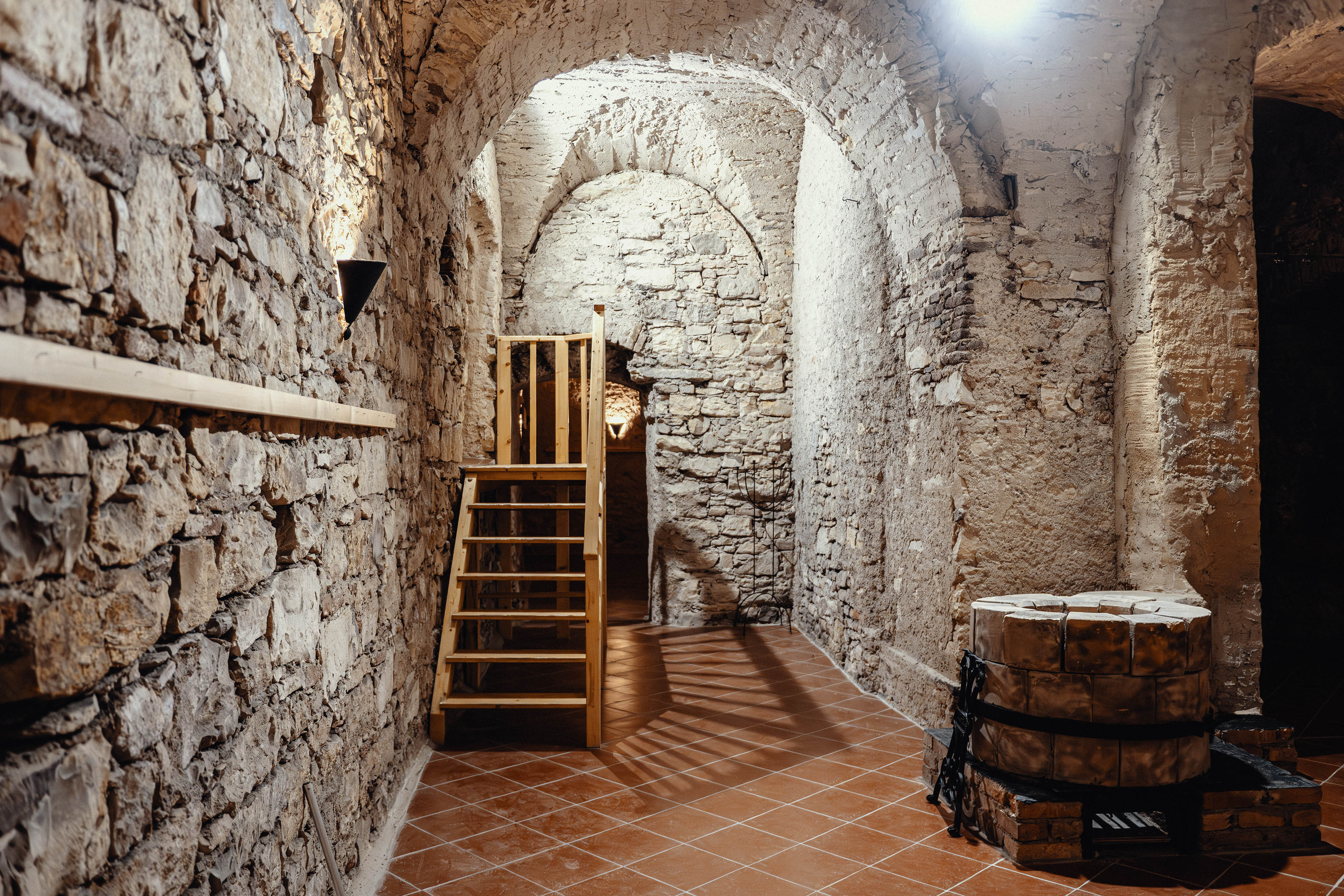
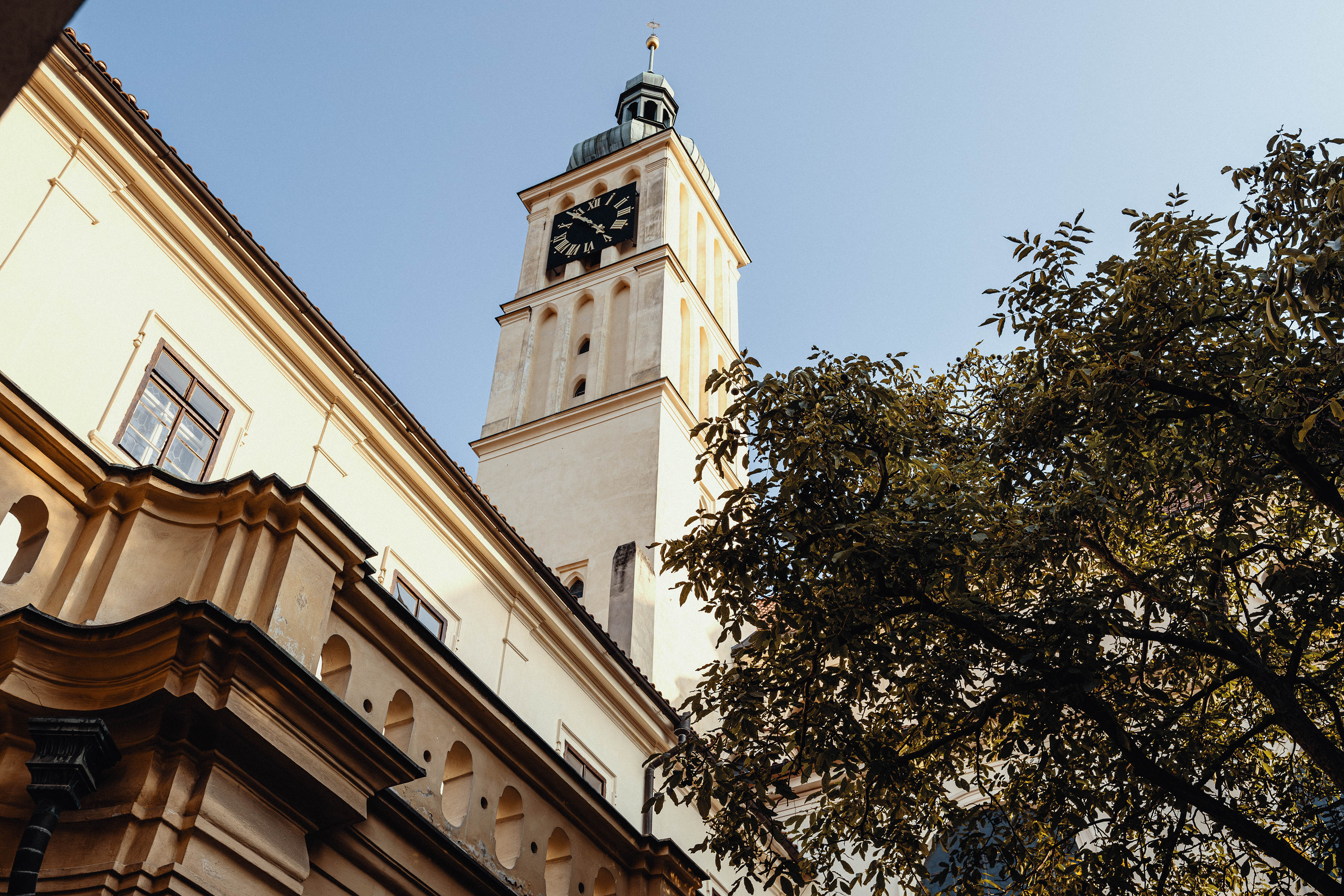
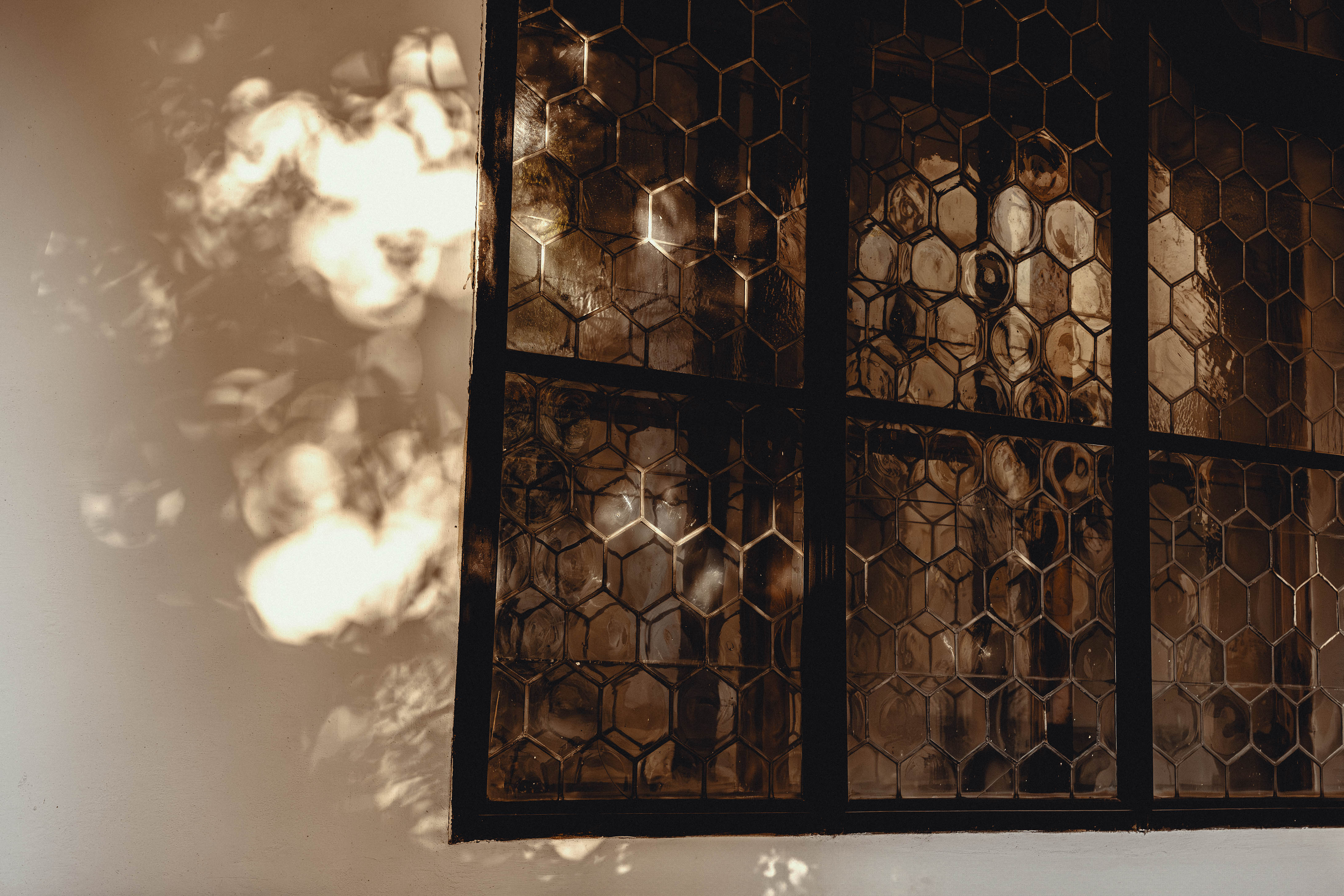
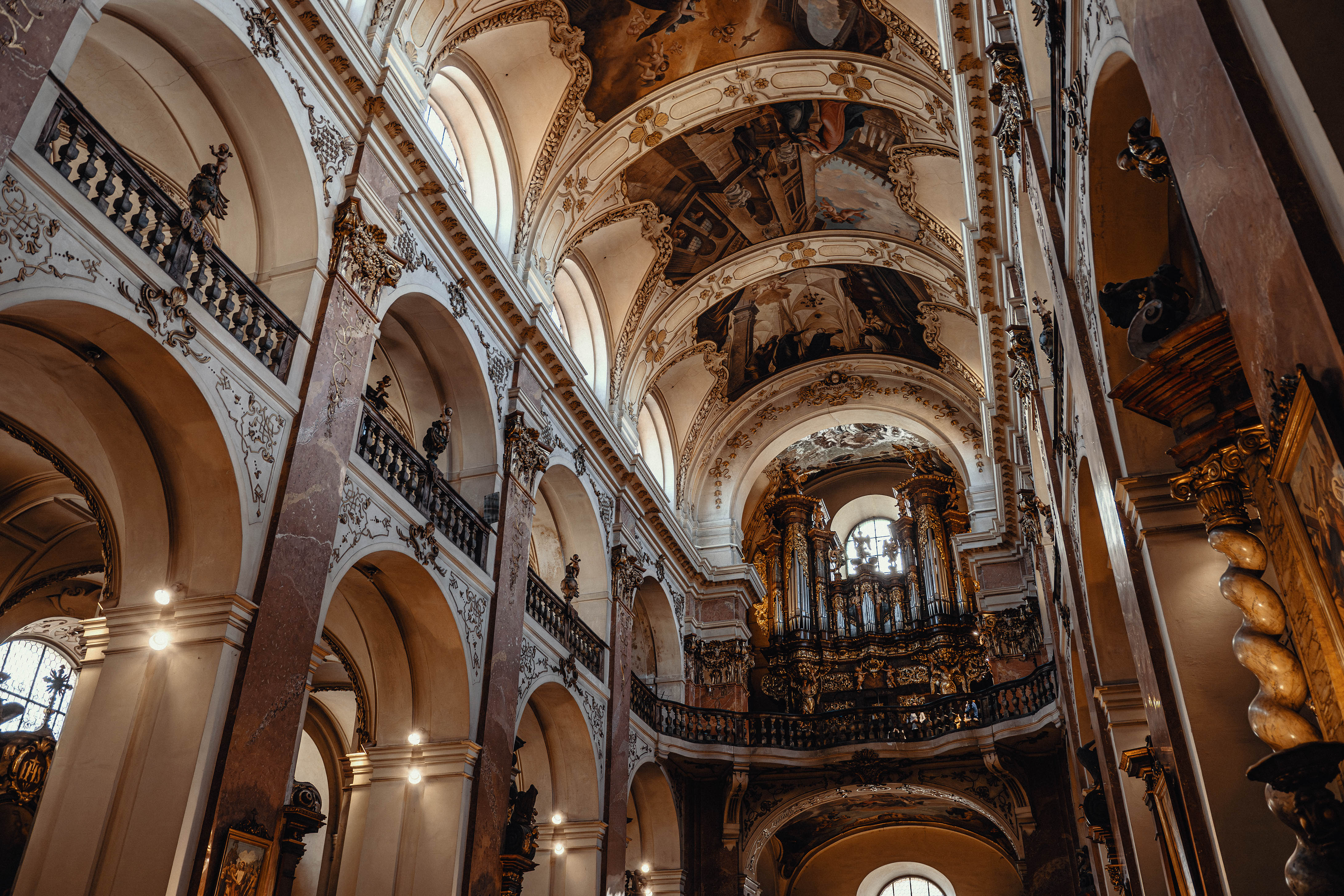
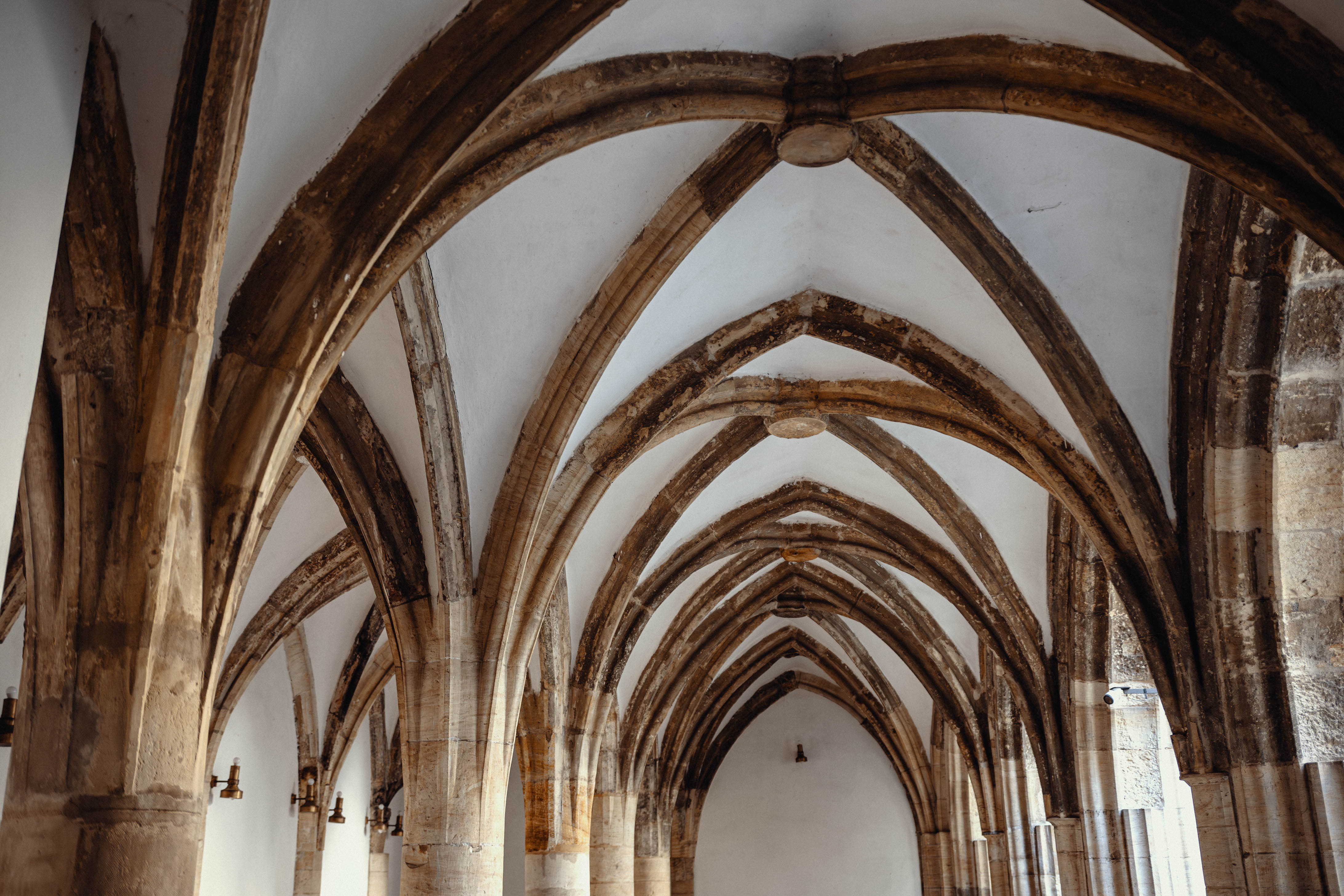
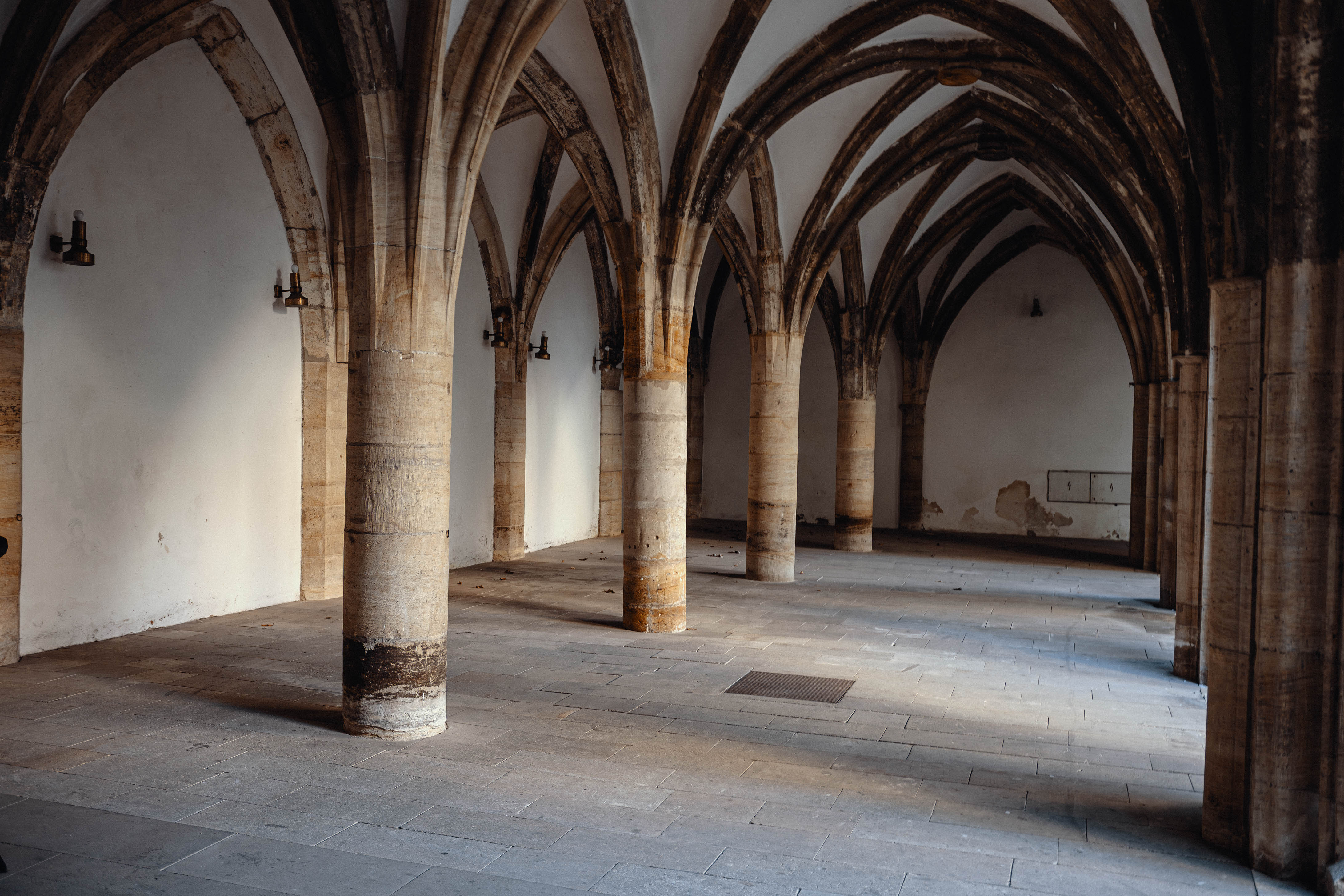
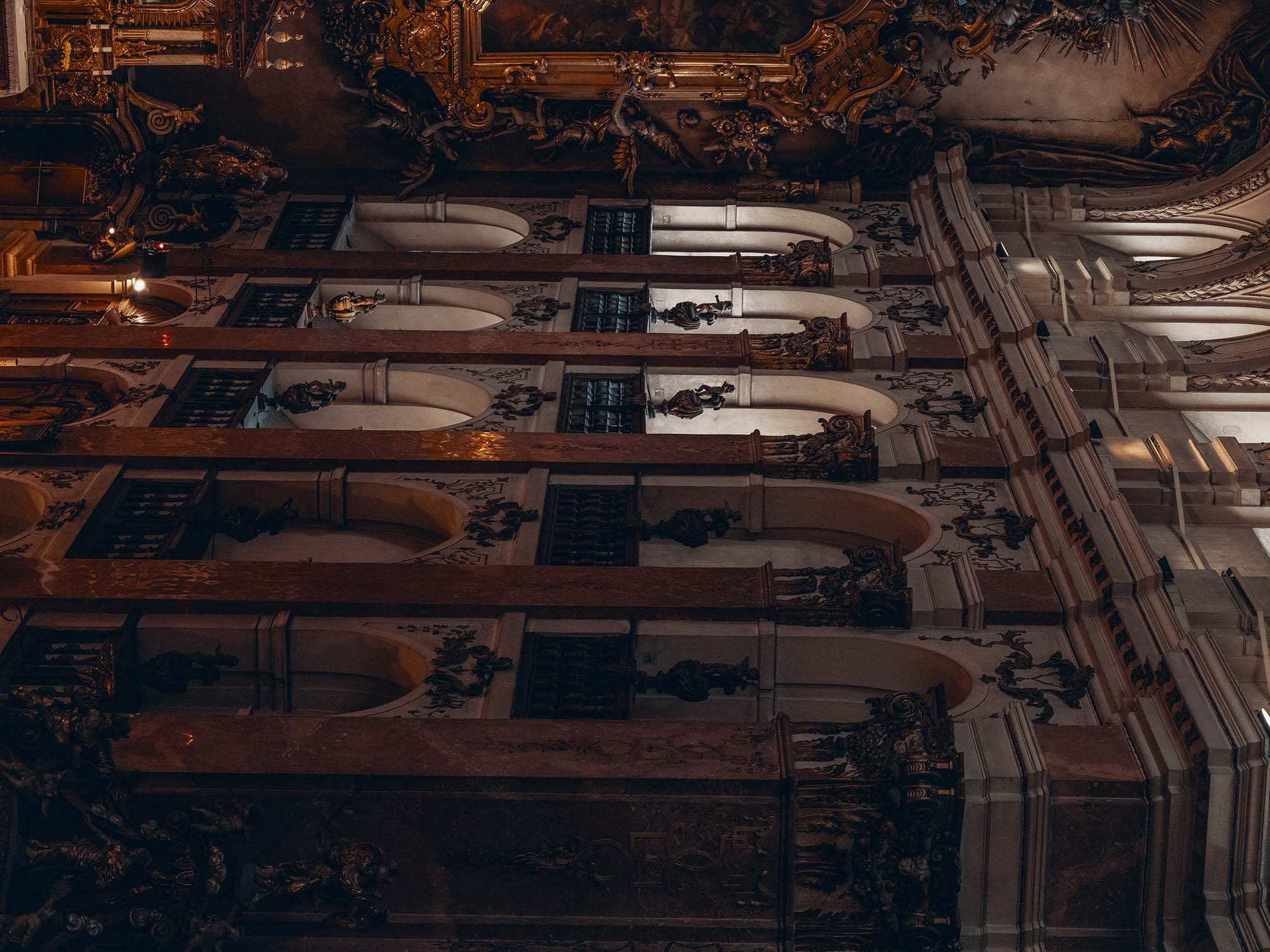
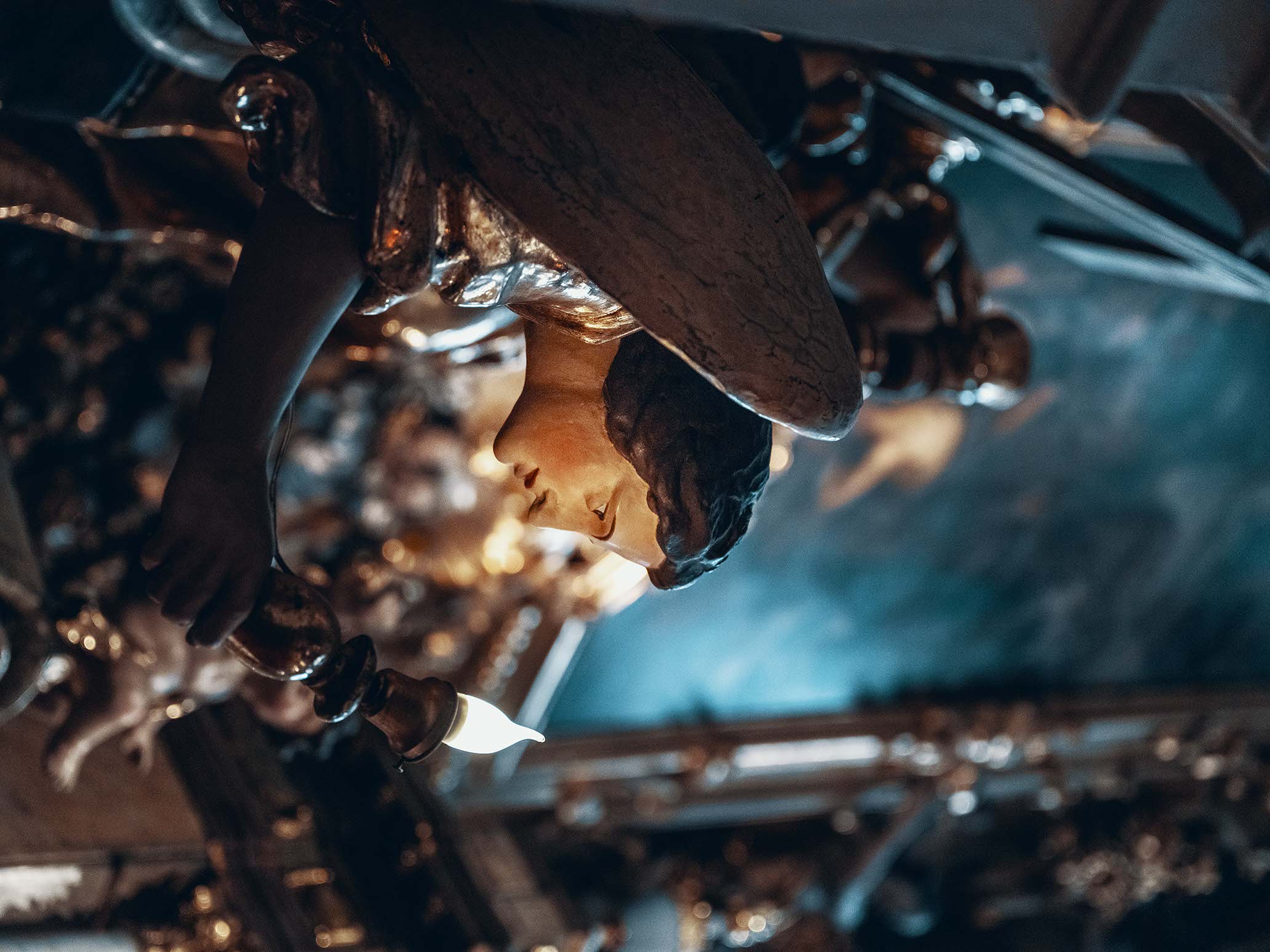
The Minorite Friary of St. James in Prague is one of the most significant historical monuments in the centre of Prague. Founded in 1232 by King Wenceslas I, it is the oldest Franciscan friary in Central Europe. In the Middle Ages, it was the largest monastic complex in the Czech lands and, due to its importance, was often referred to as the “Second Prague Castle.” For centuries, it served as a spiritual centre and an important seat of the Přemyslid dynasty, the House of Luxembourg, and other Czech rulers. It was closely connected with Czech coronation traditions and played an important role in the history of the Czech lands and Europe.
It was here in 1309 that the wedding banquet of Elizabeth of Bohemia (of the Přemyslid dynasty) and John of Luxembourg took place, symbolically bringing the Přemyslid era to a close and ushering in the reign of the House of Luxembourg. According to tradition, their son—the future King of Bohemia and Holy Roman Emperor Charles IV—was also likely born here. The friary thus offers a unique opportunity to experience almost 800 years of Czech history in one place.
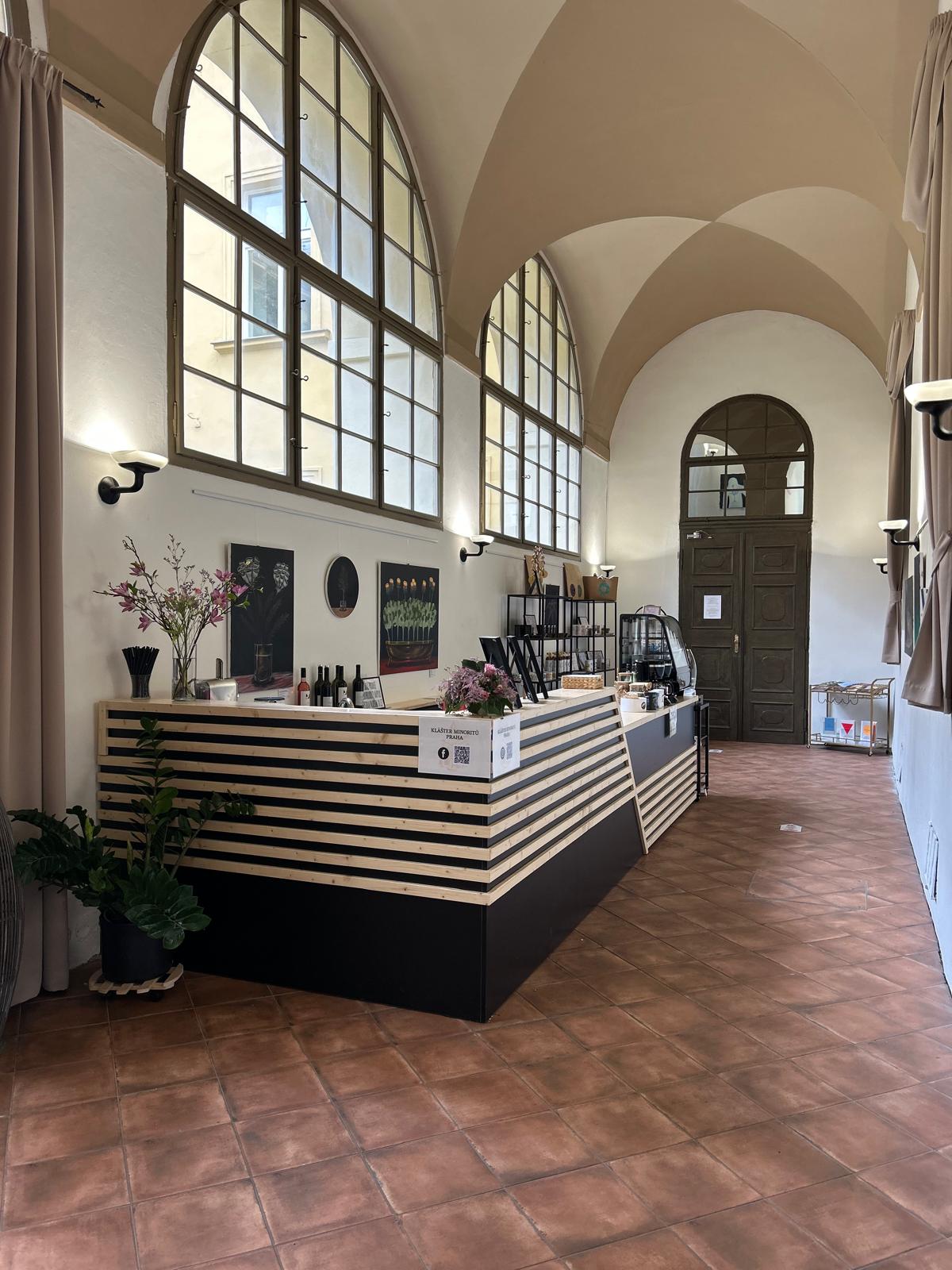
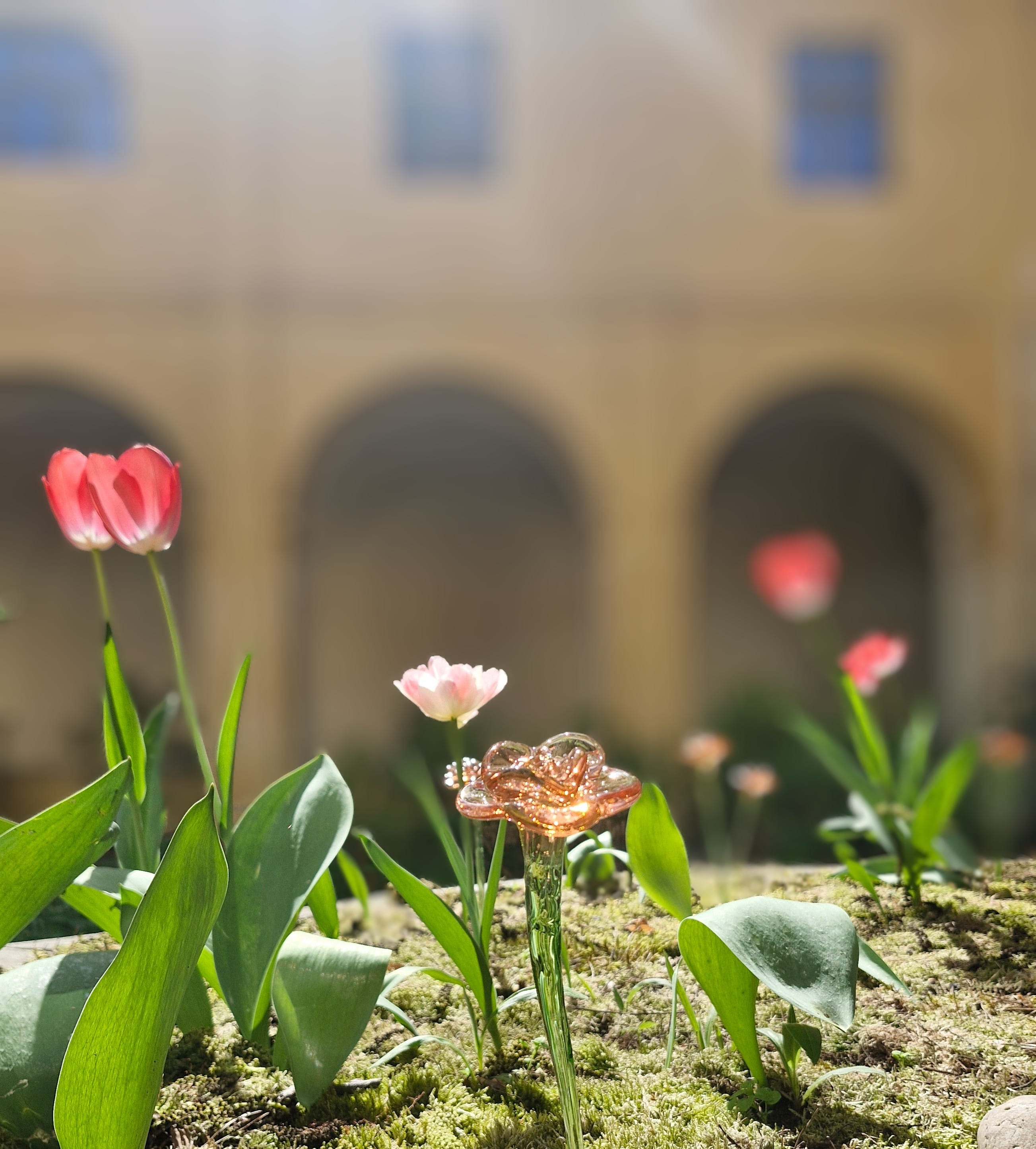
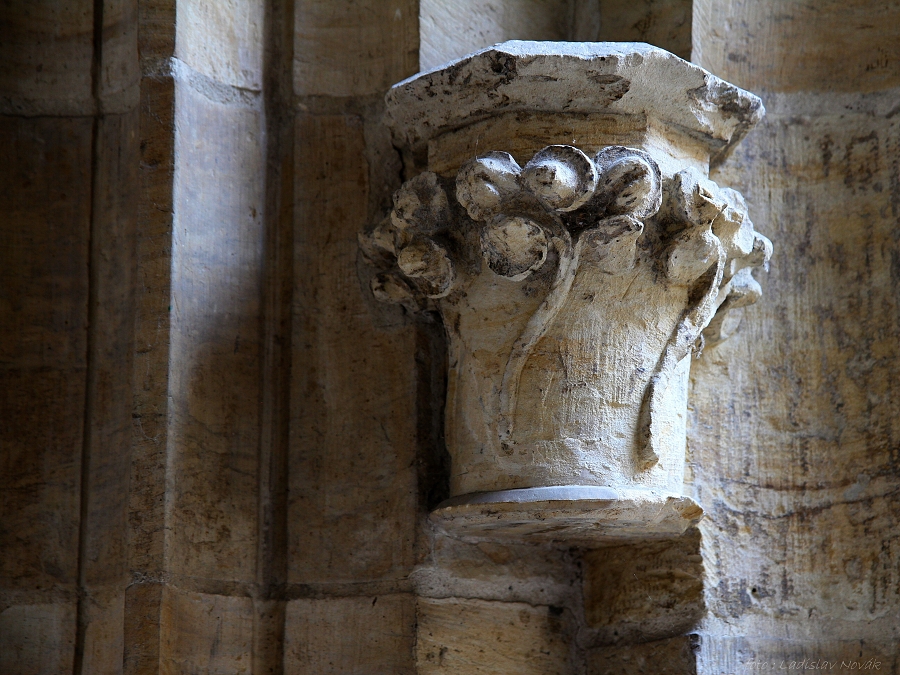
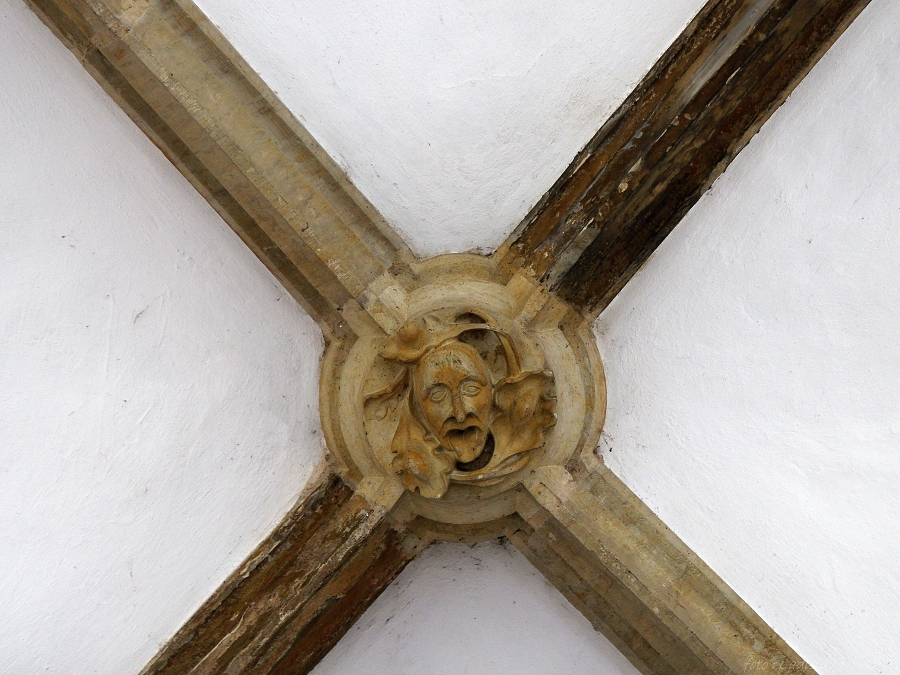
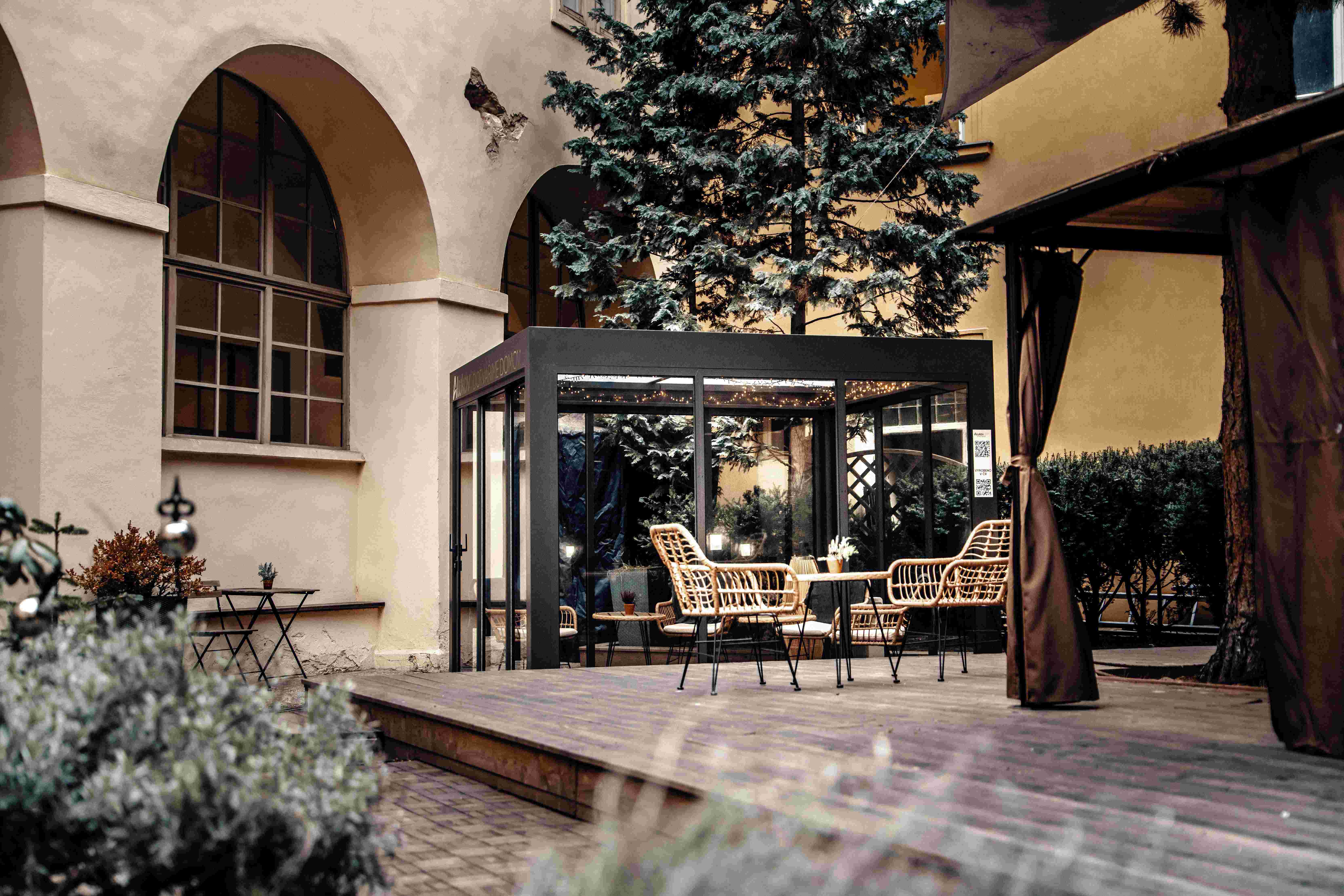
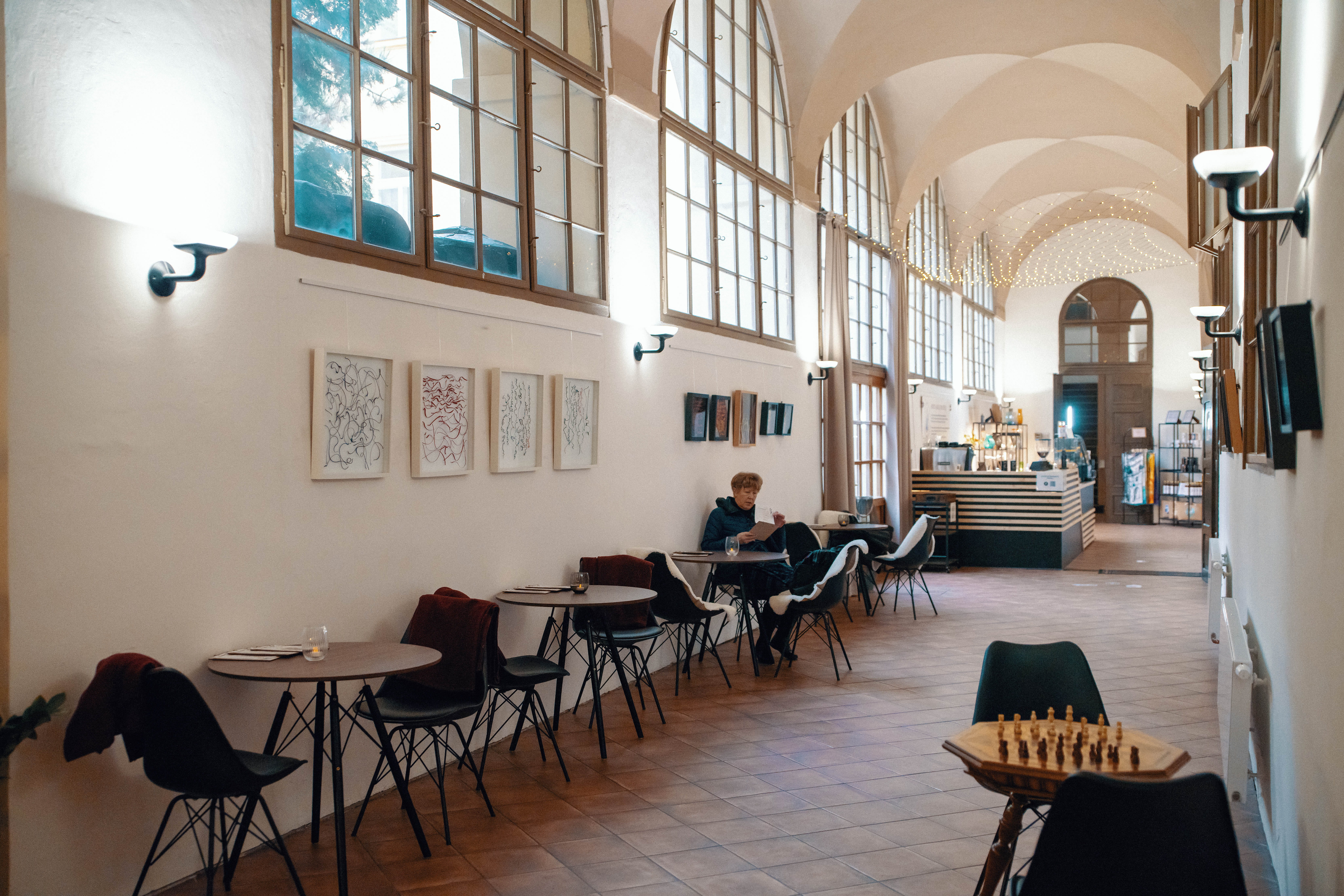
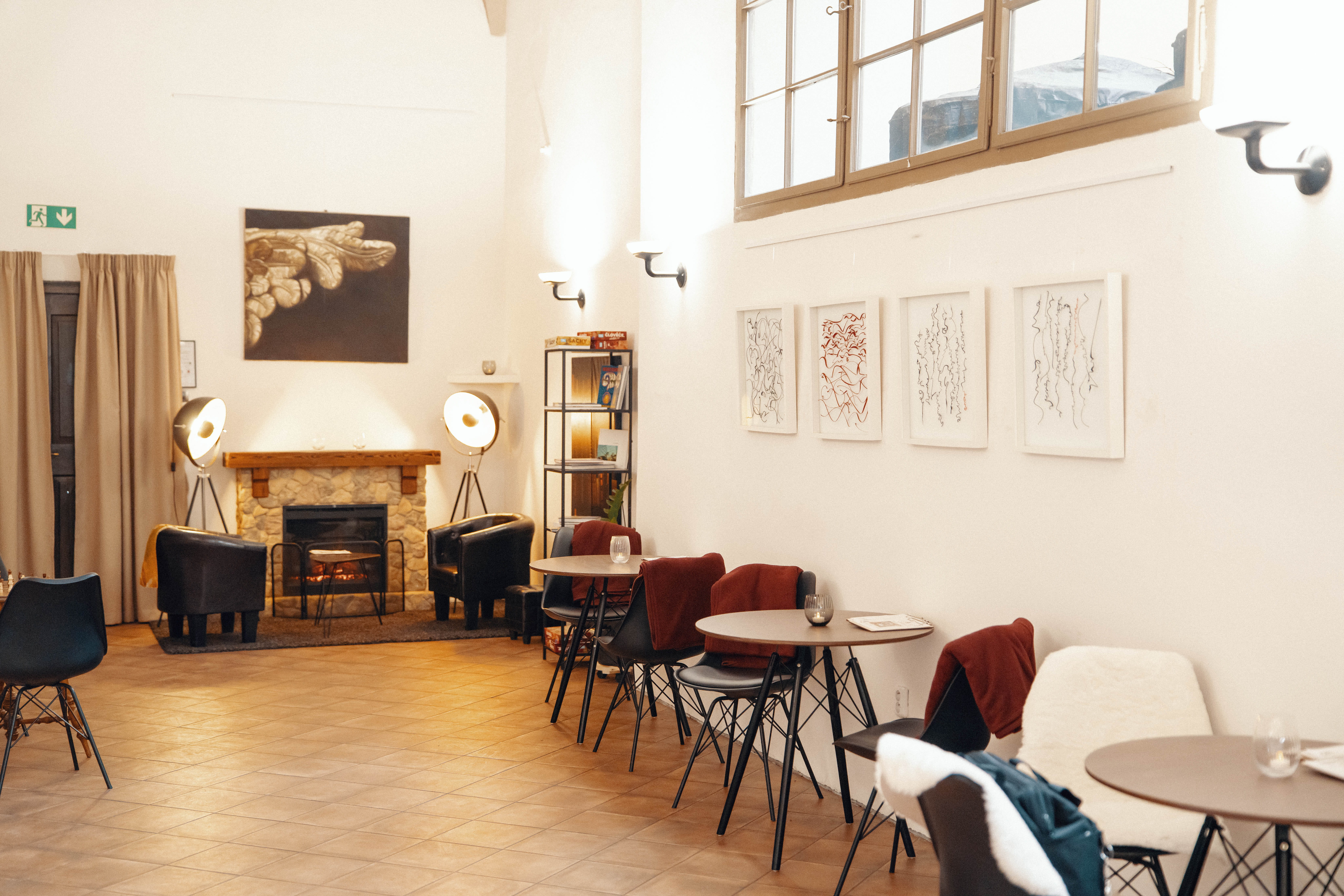
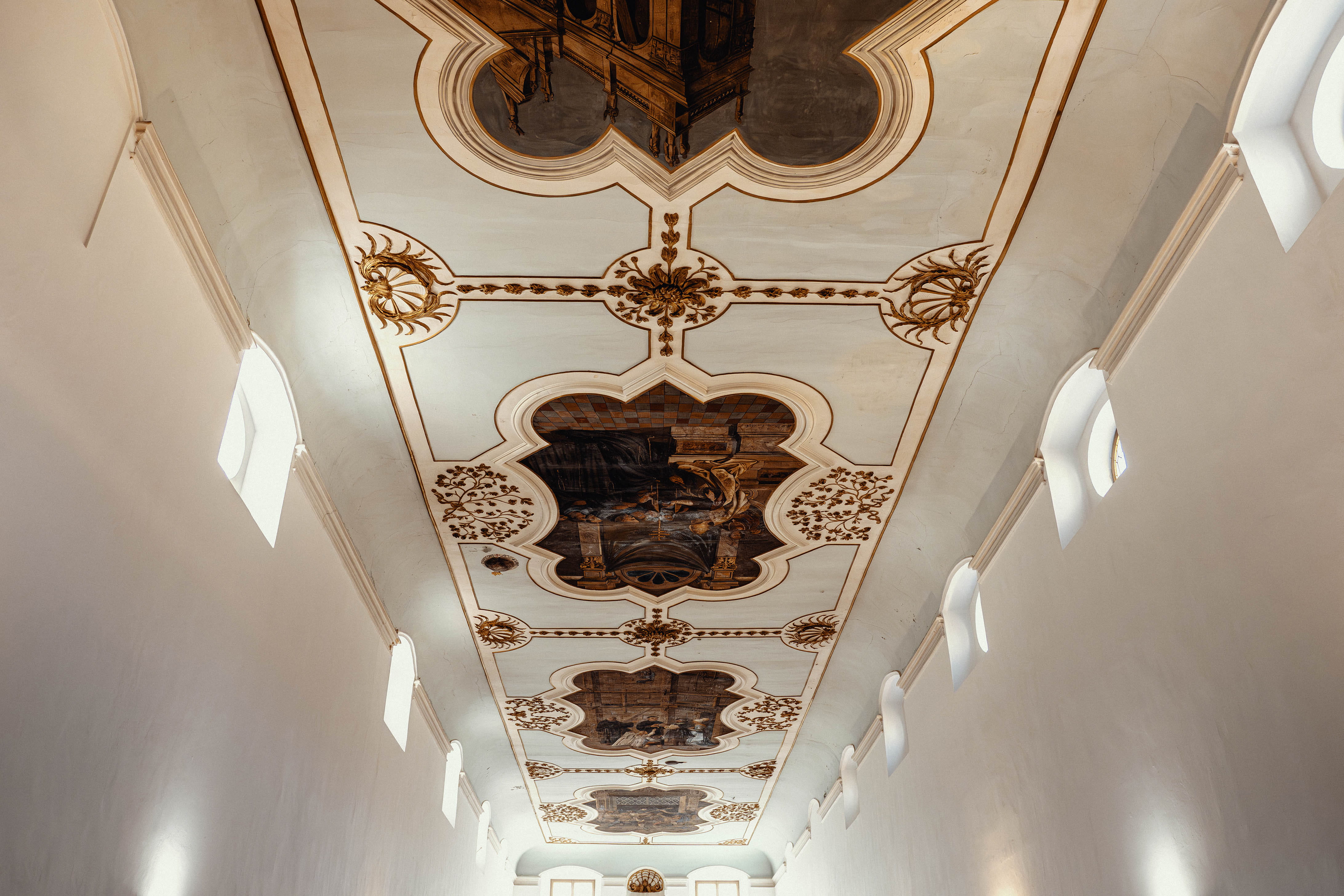
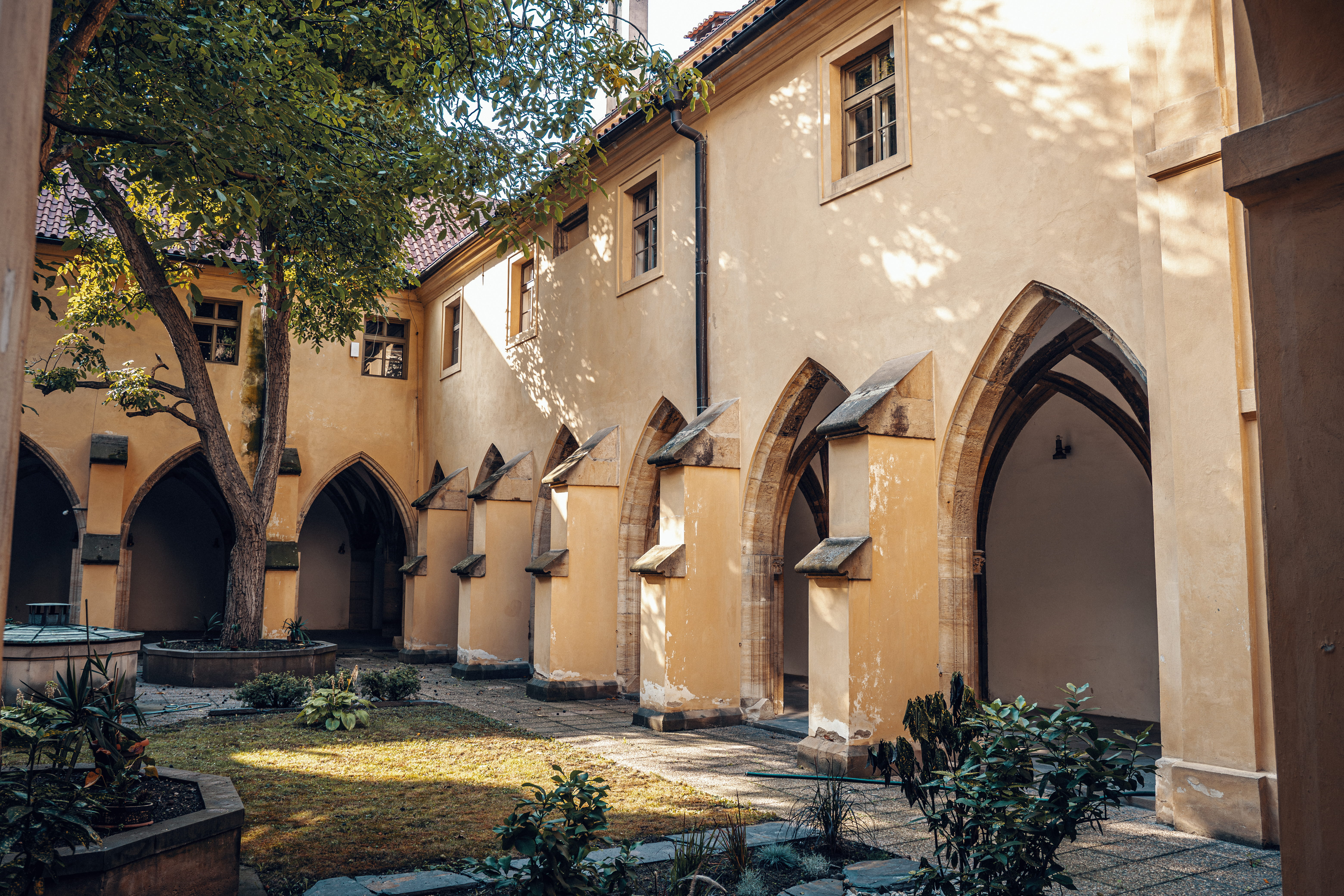
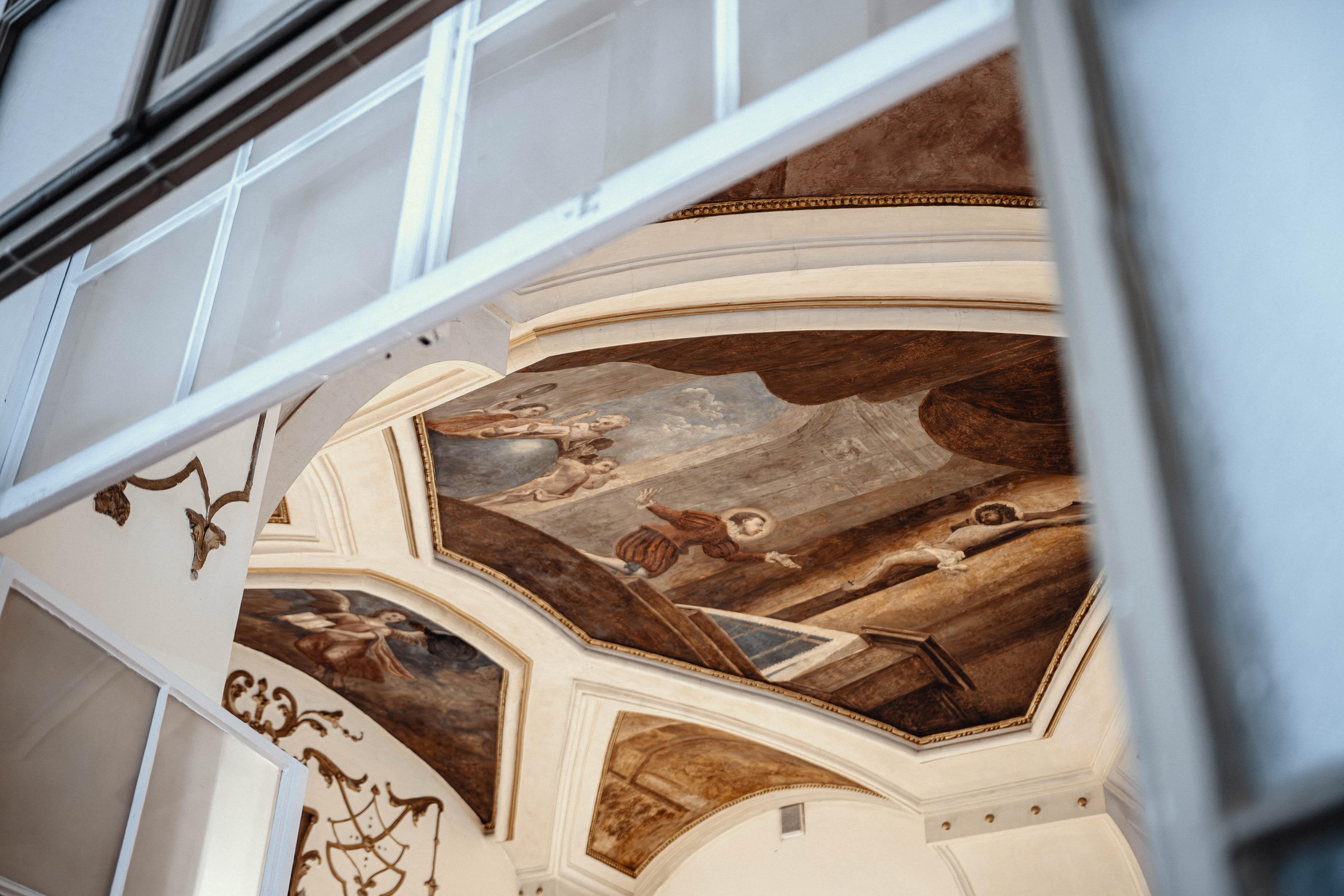
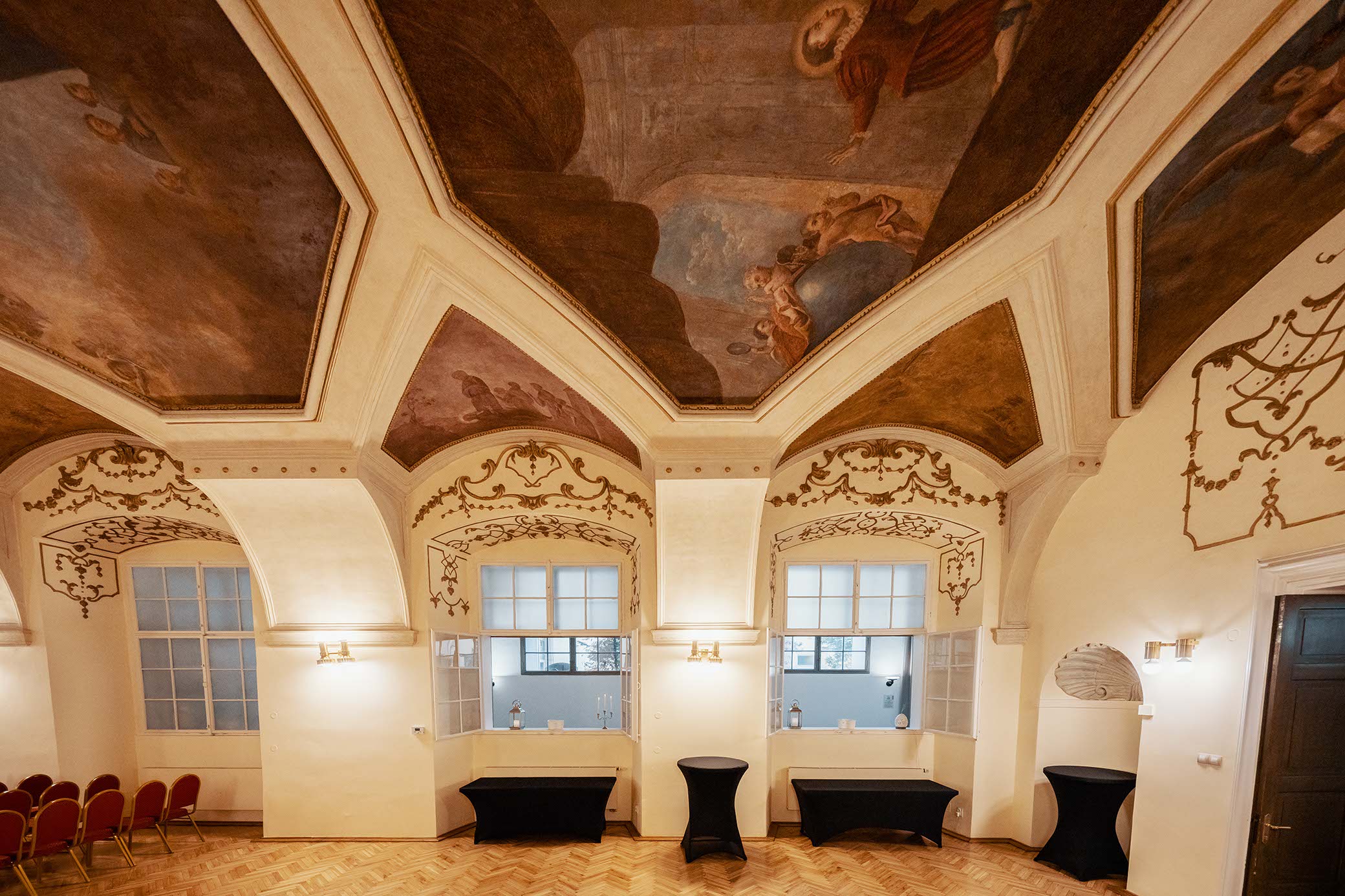
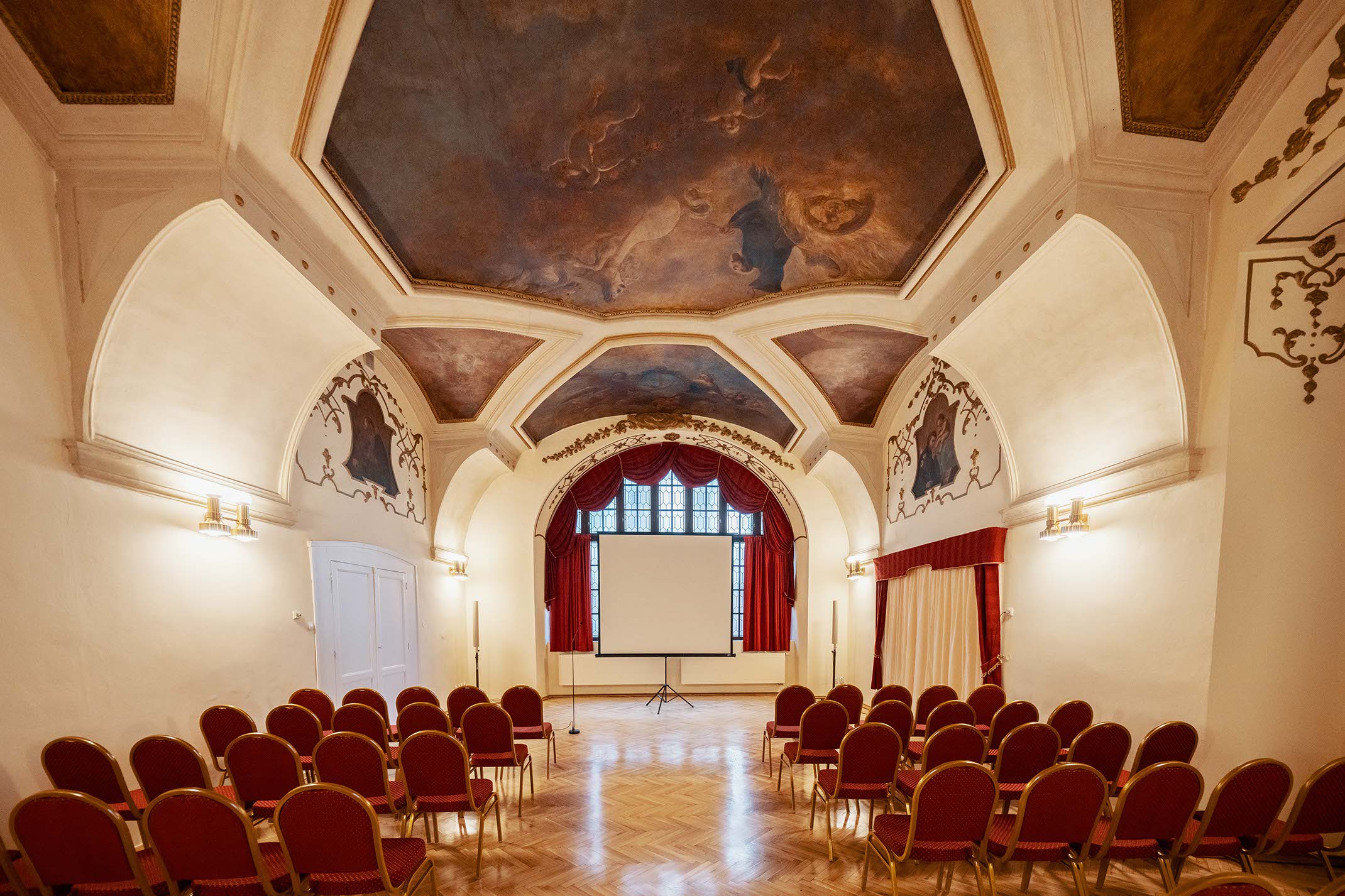
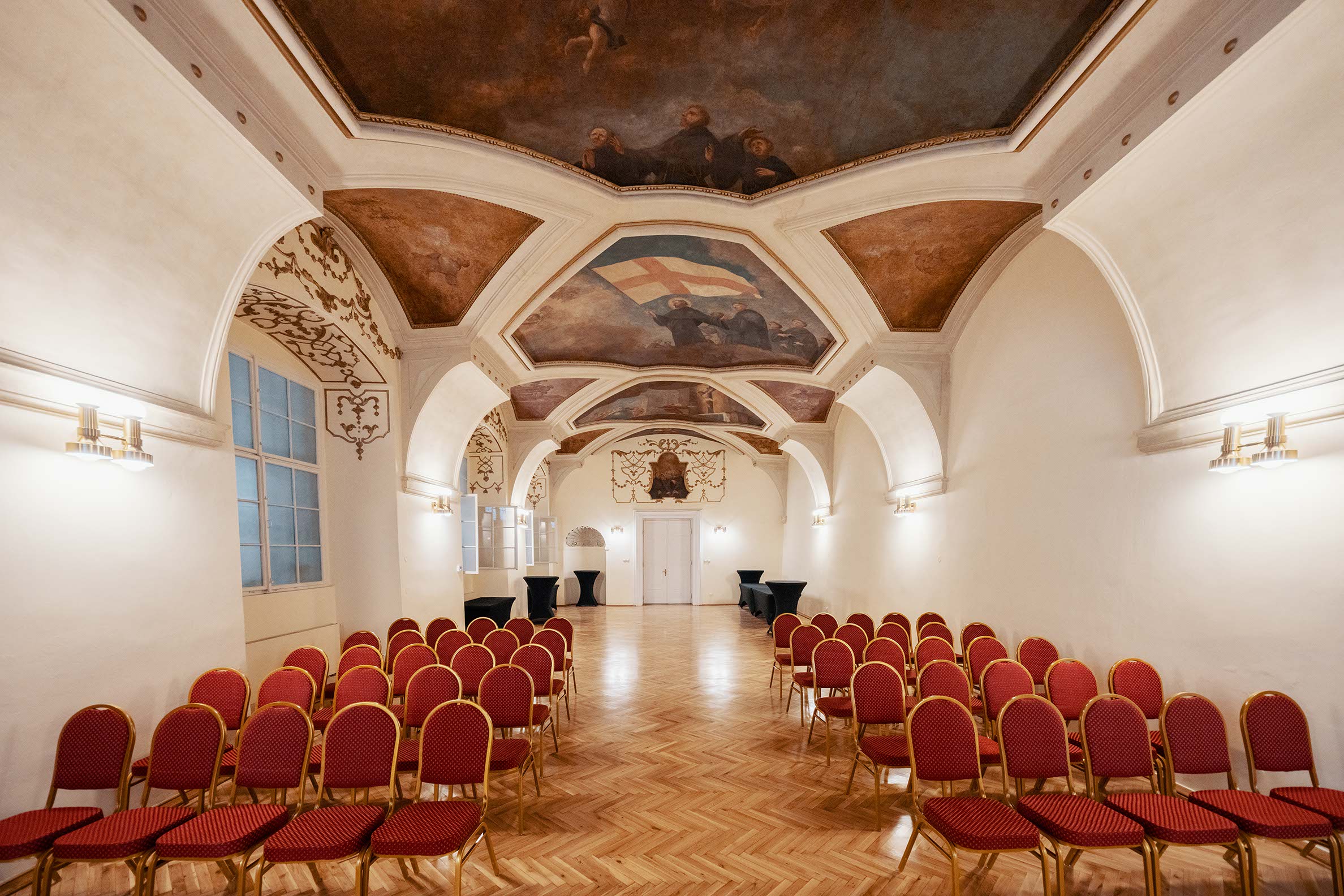
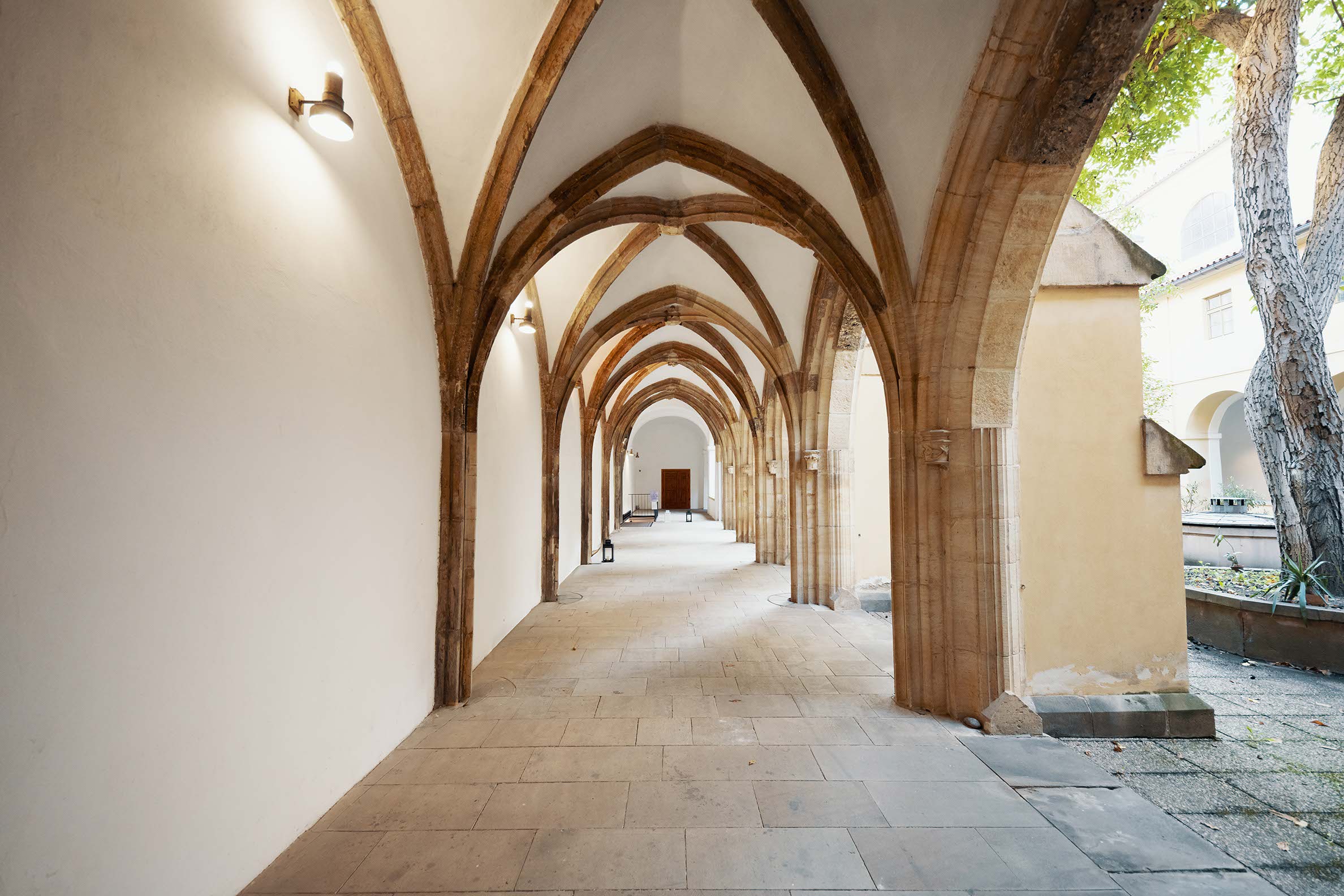
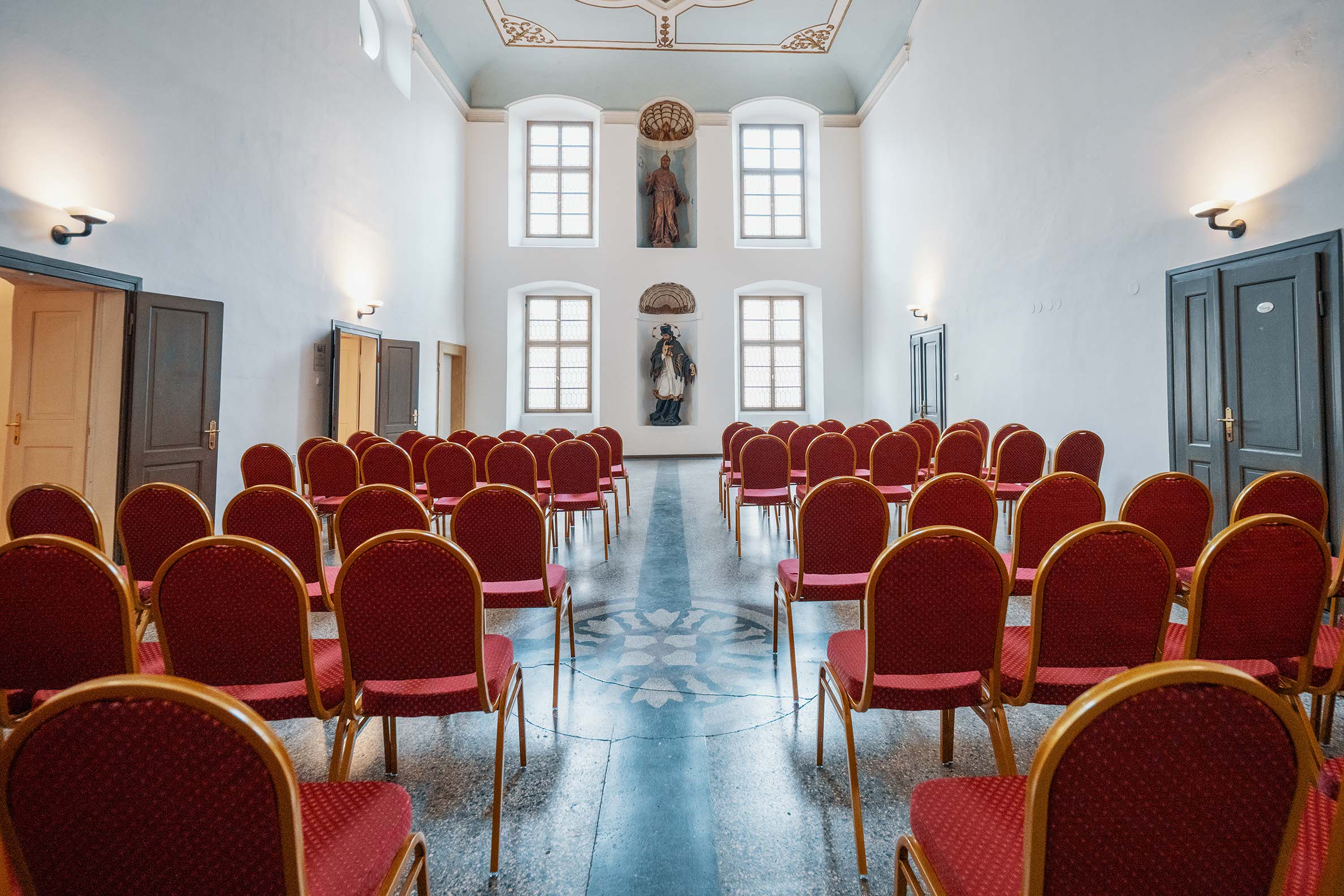
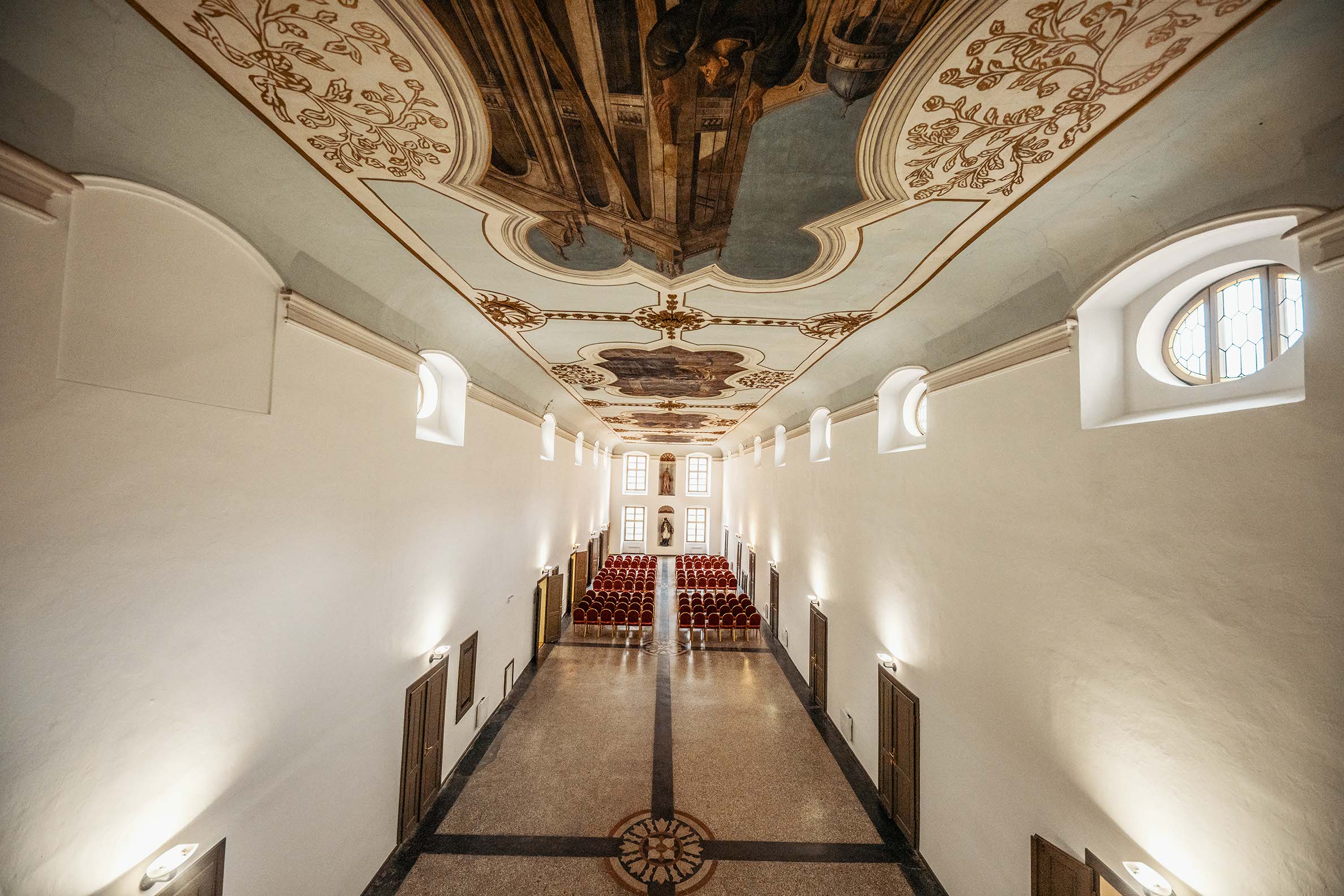
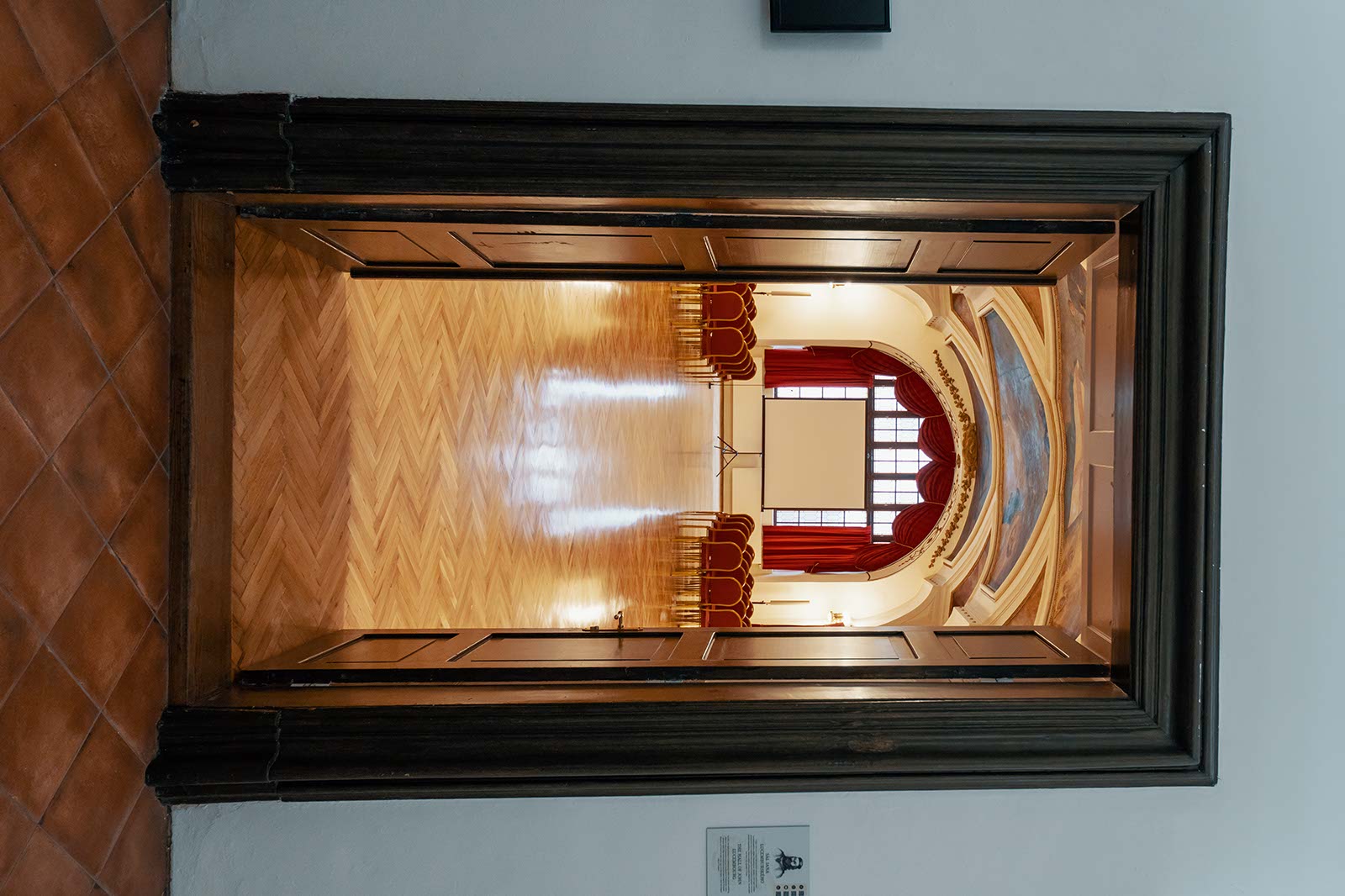
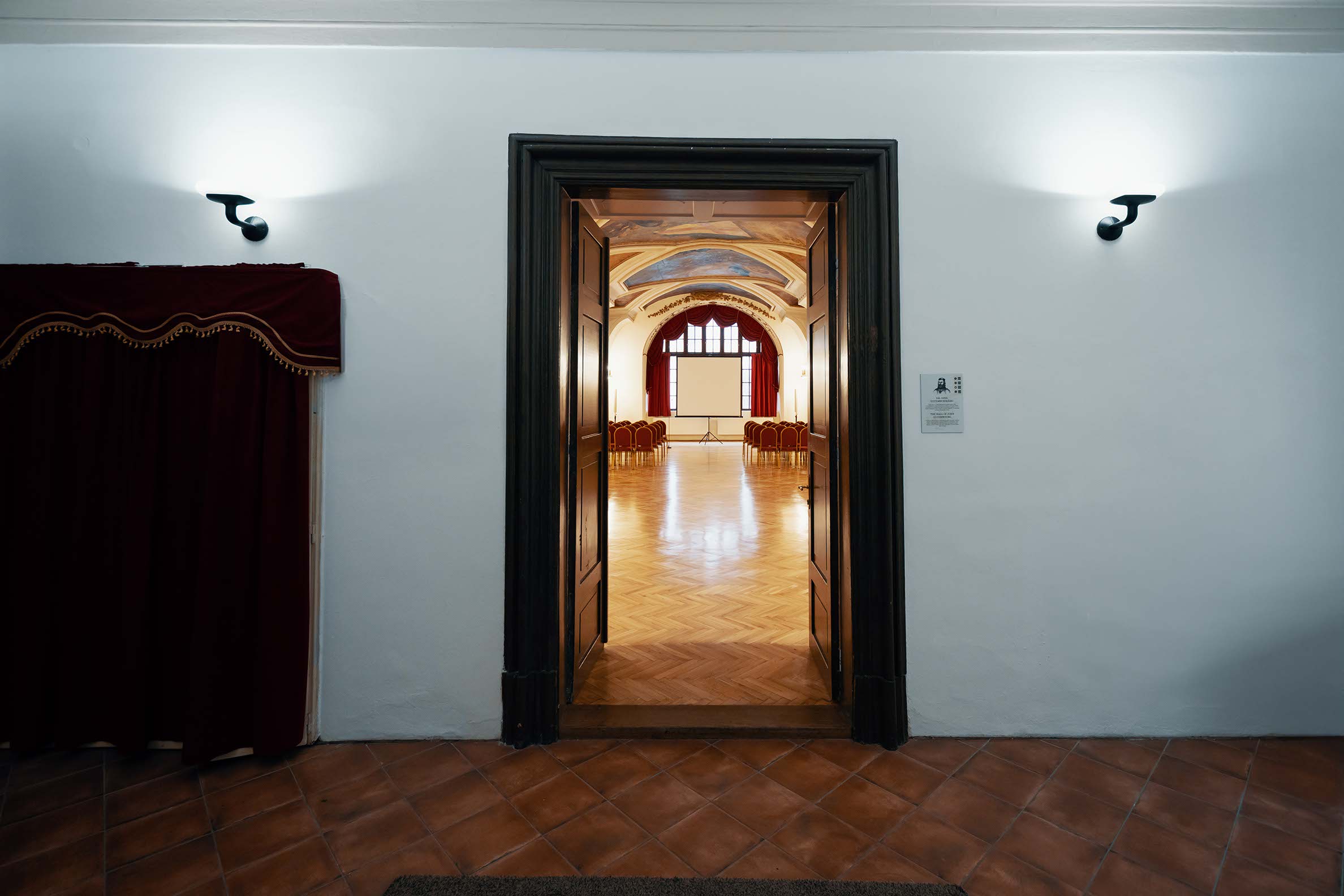
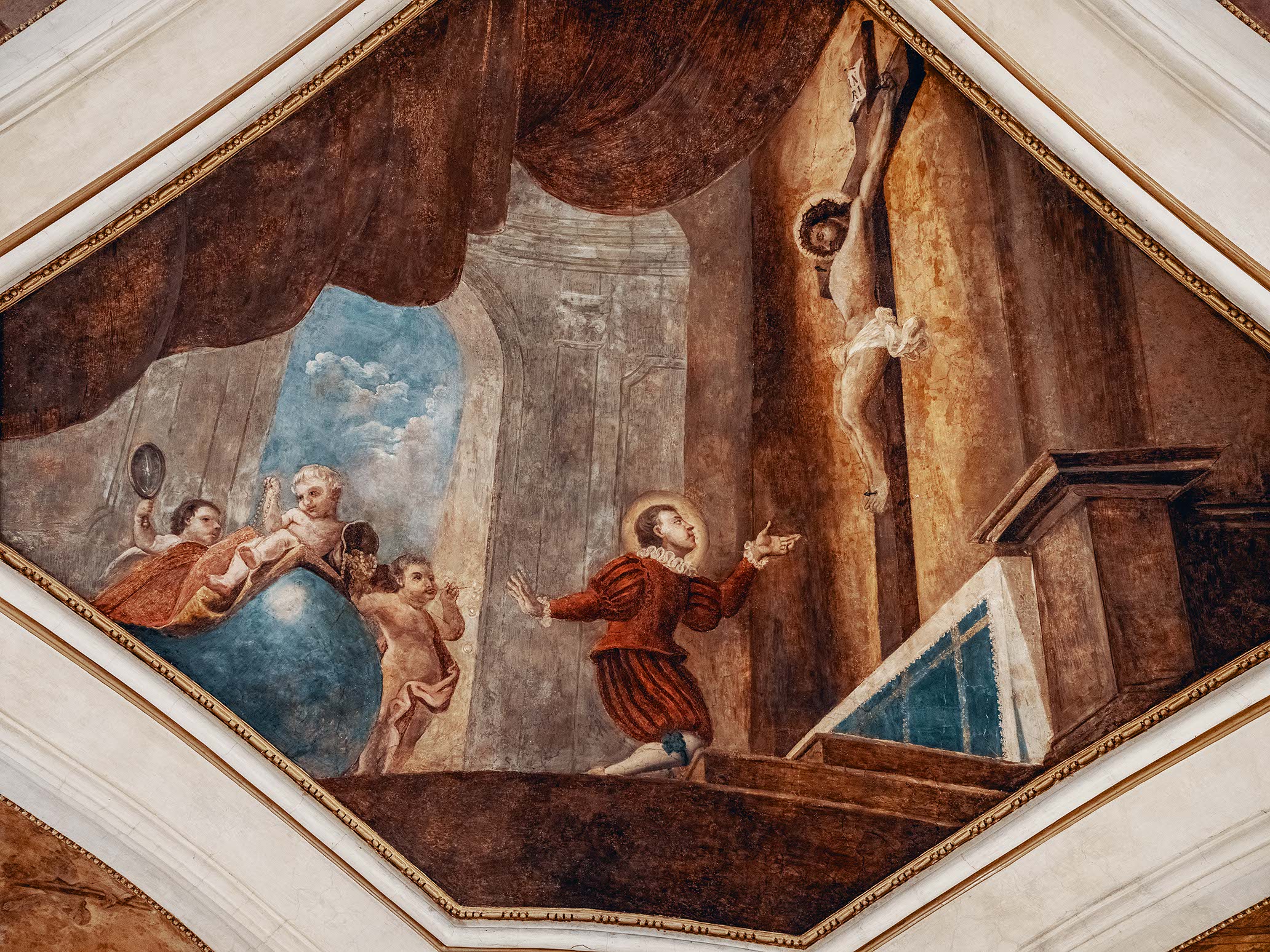
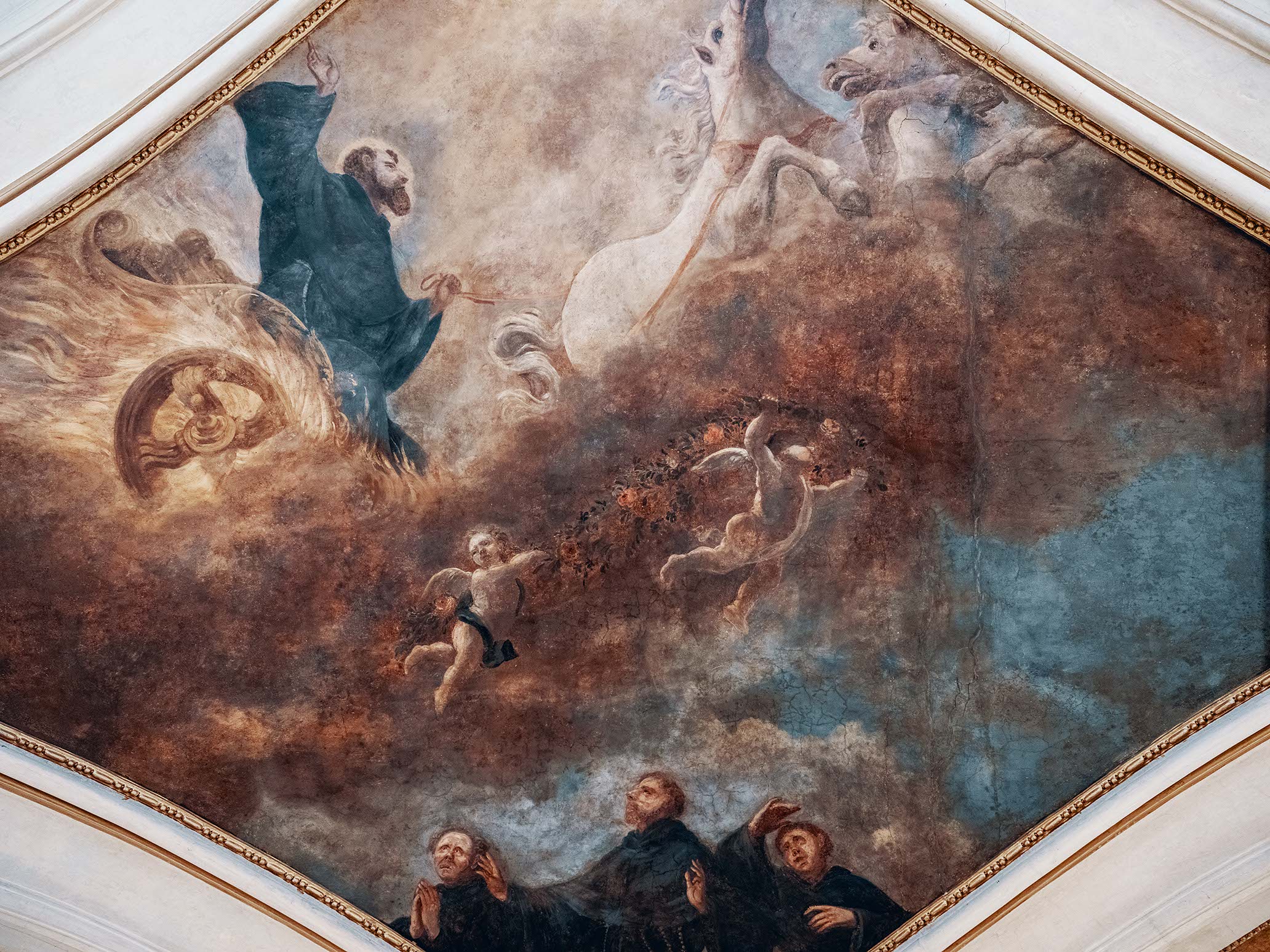
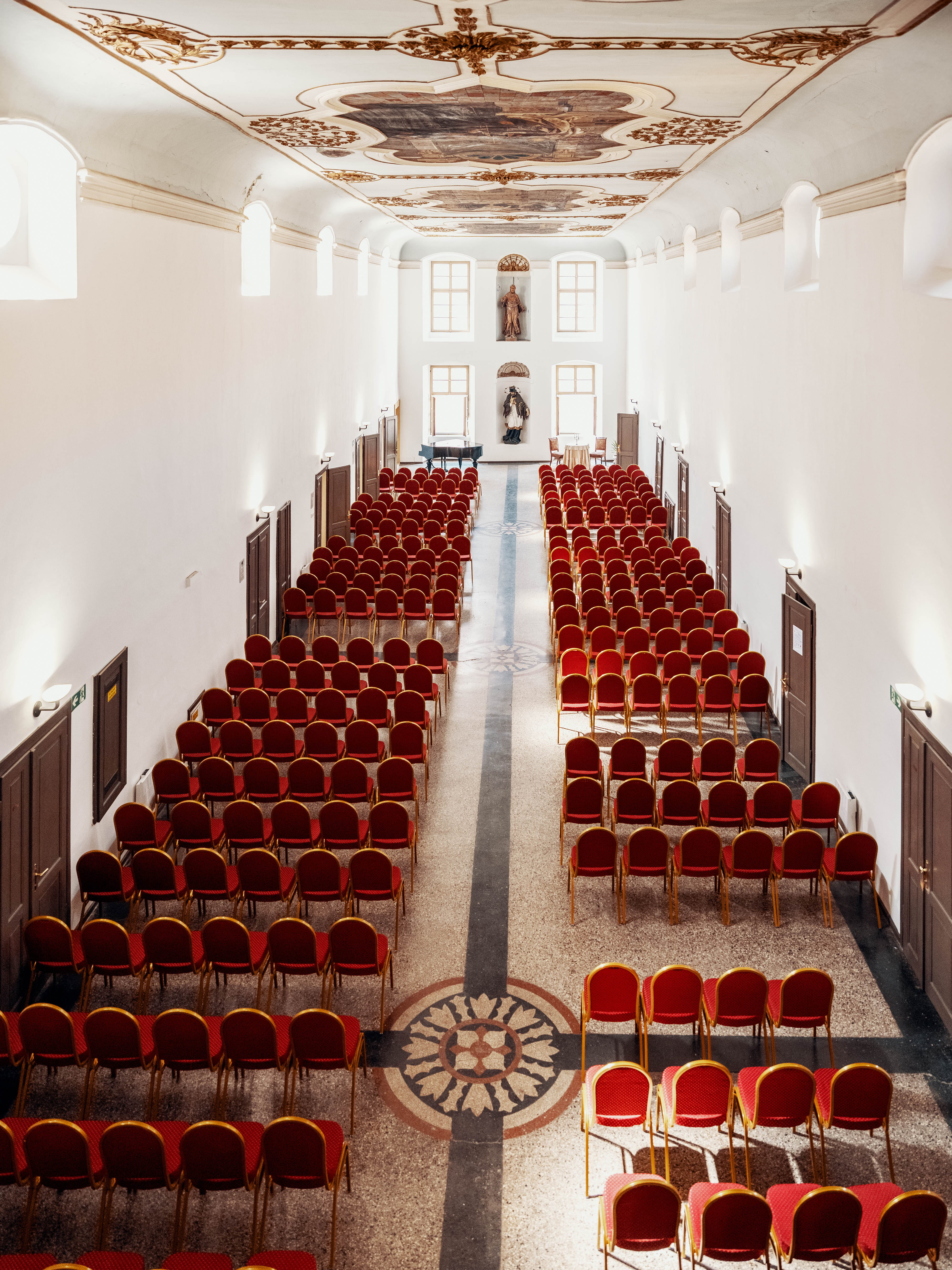
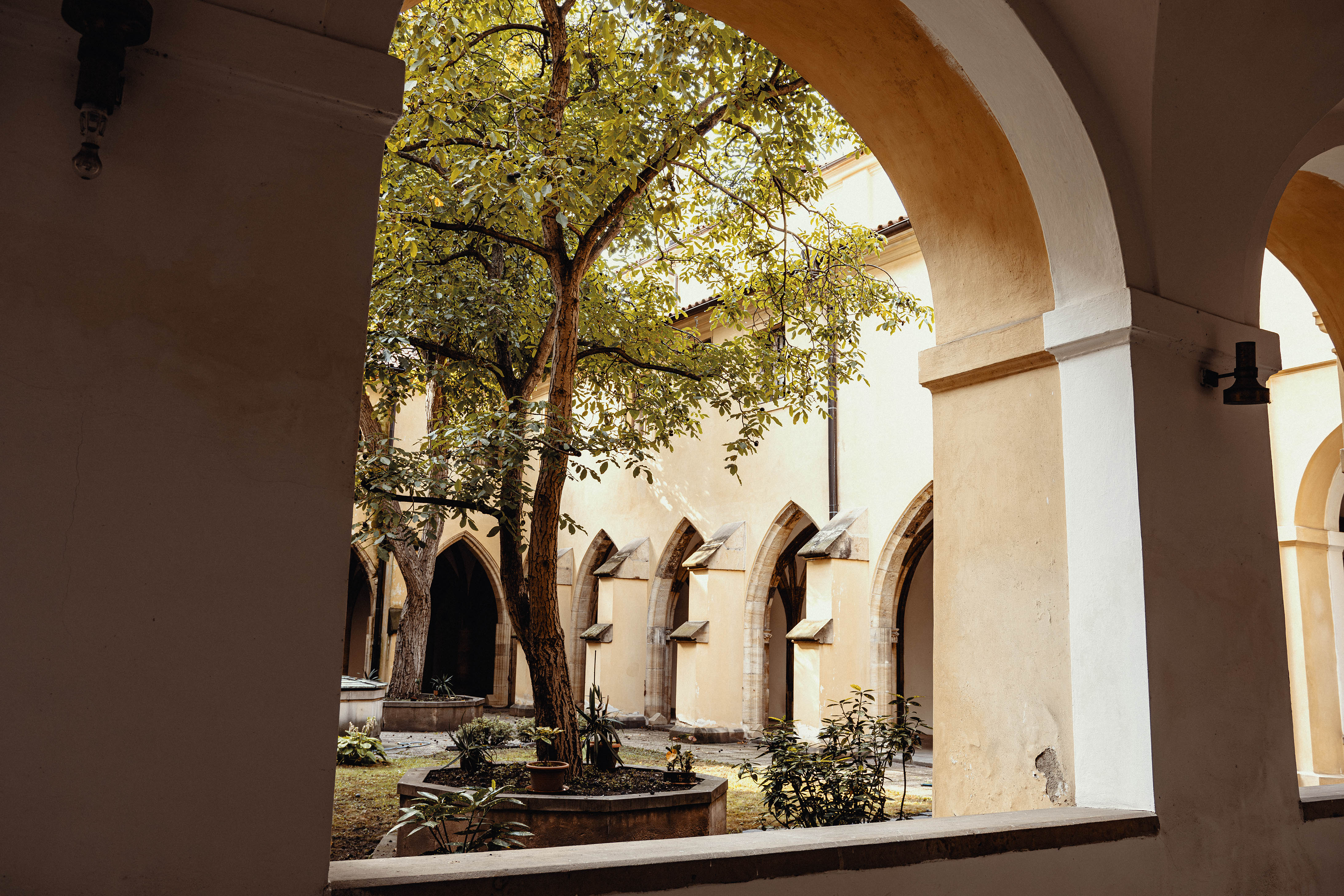
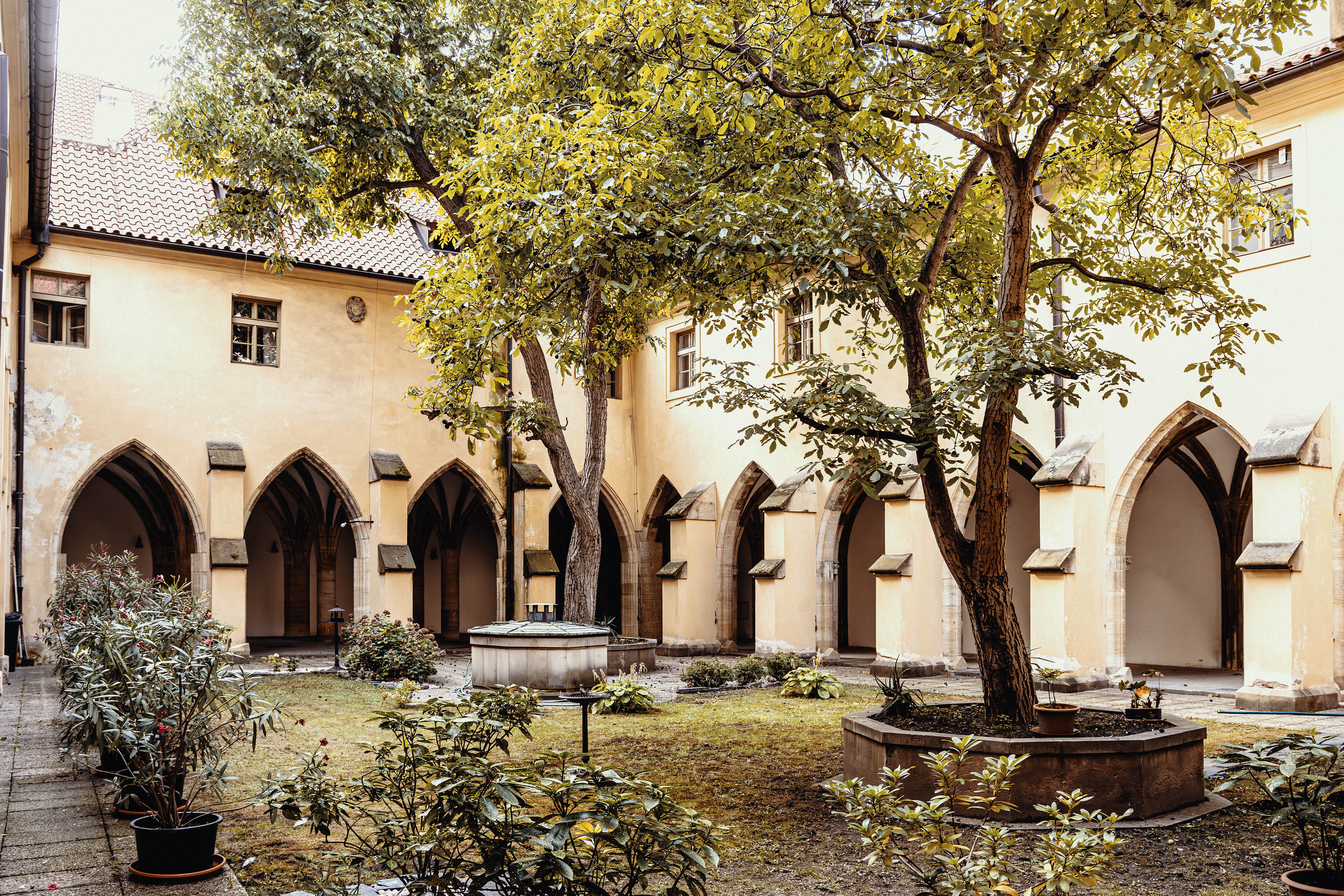
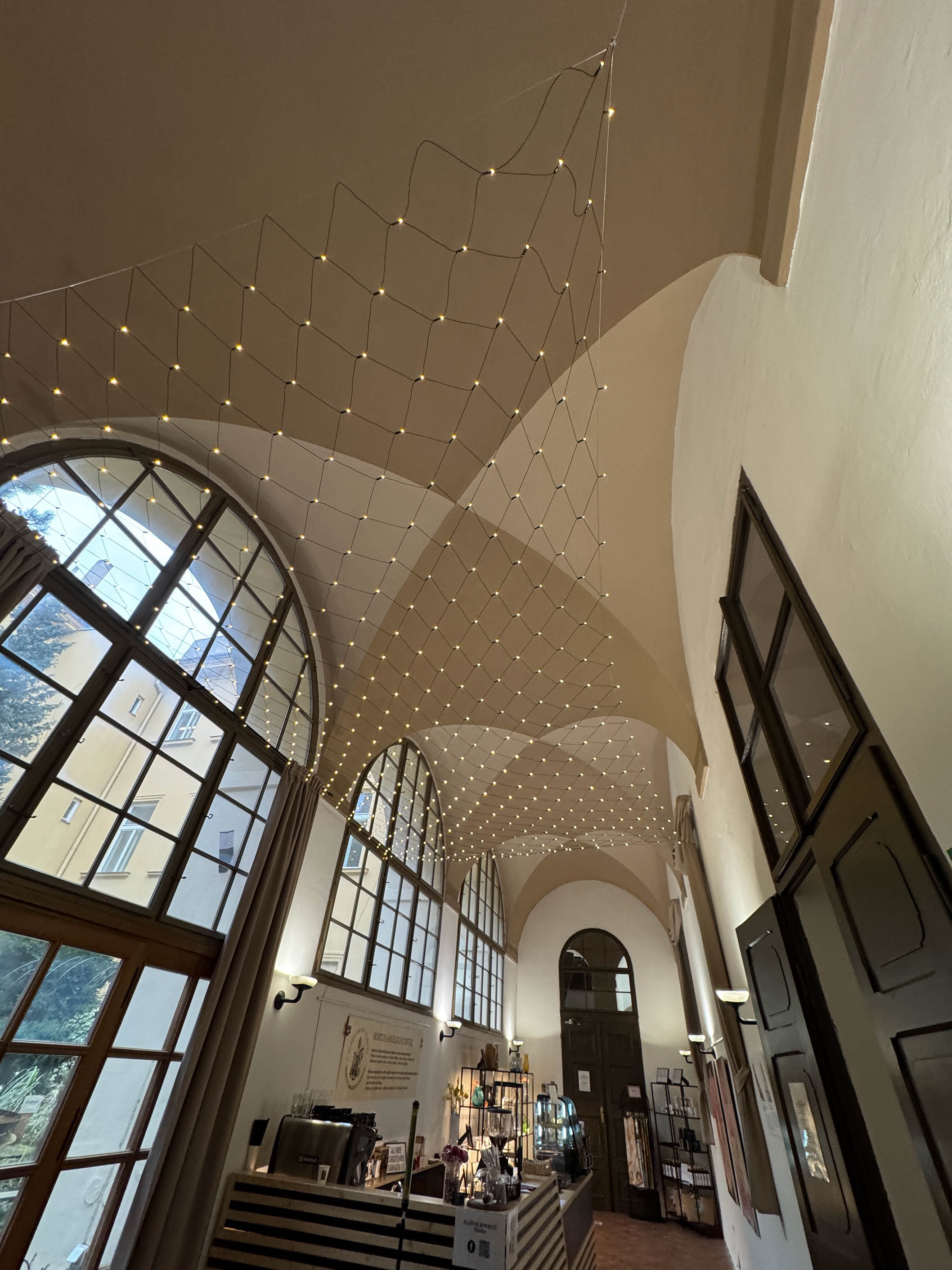
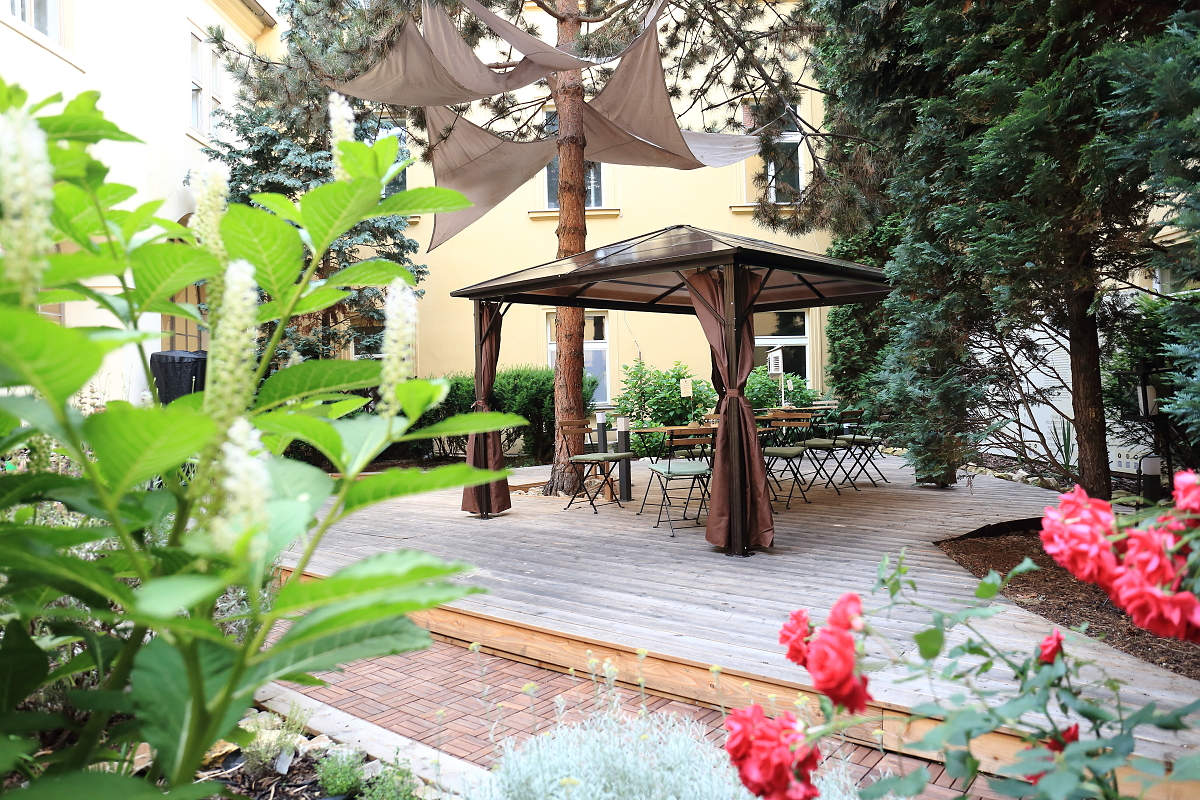
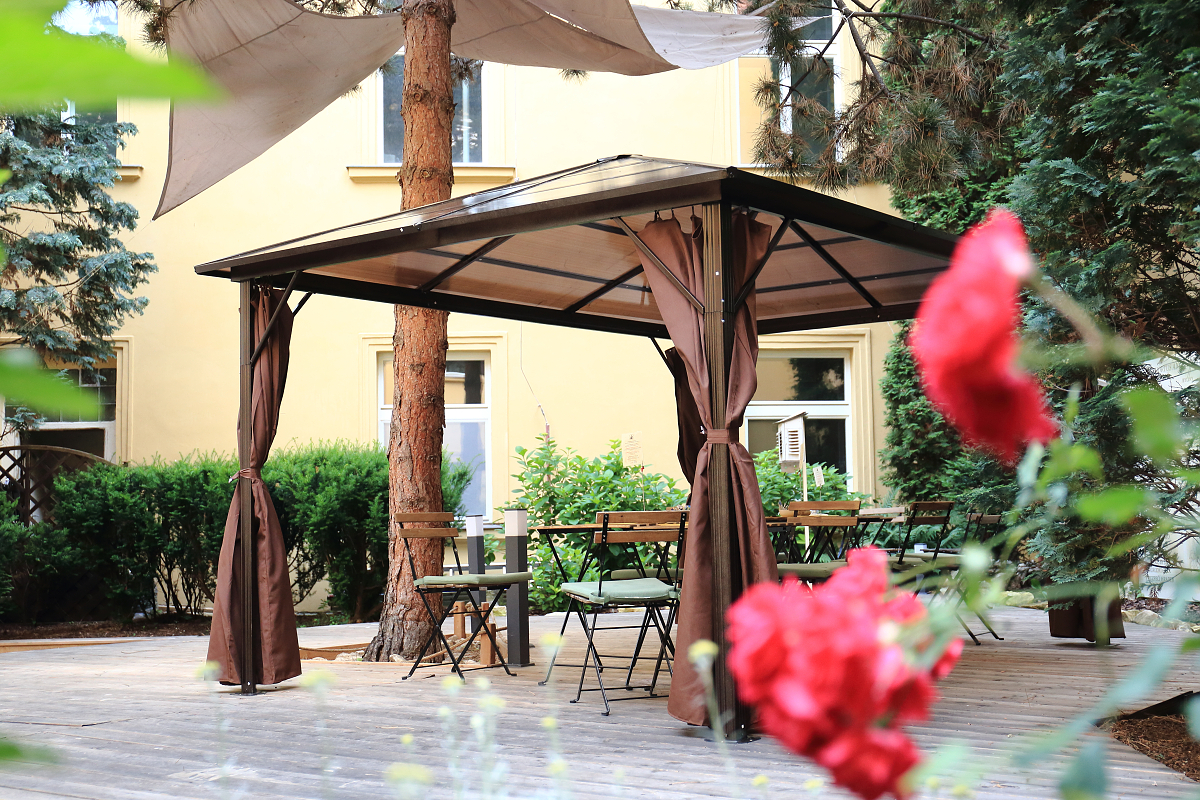
Today, the friary offers visitors an exceptional blend of history, architecture, education, and culture. The complex includes the original Gothic cloister, the Paradise Garden with a fountain, the Hortus Angelicus Garden, and magnificent historic halls featuring unique ceiling frescoes by František Vogett, including the John of Luxembourg Hall (winter refectory) and the monumental Coronation Hall, one of the largest monastery halls in Europe (summer refectory).
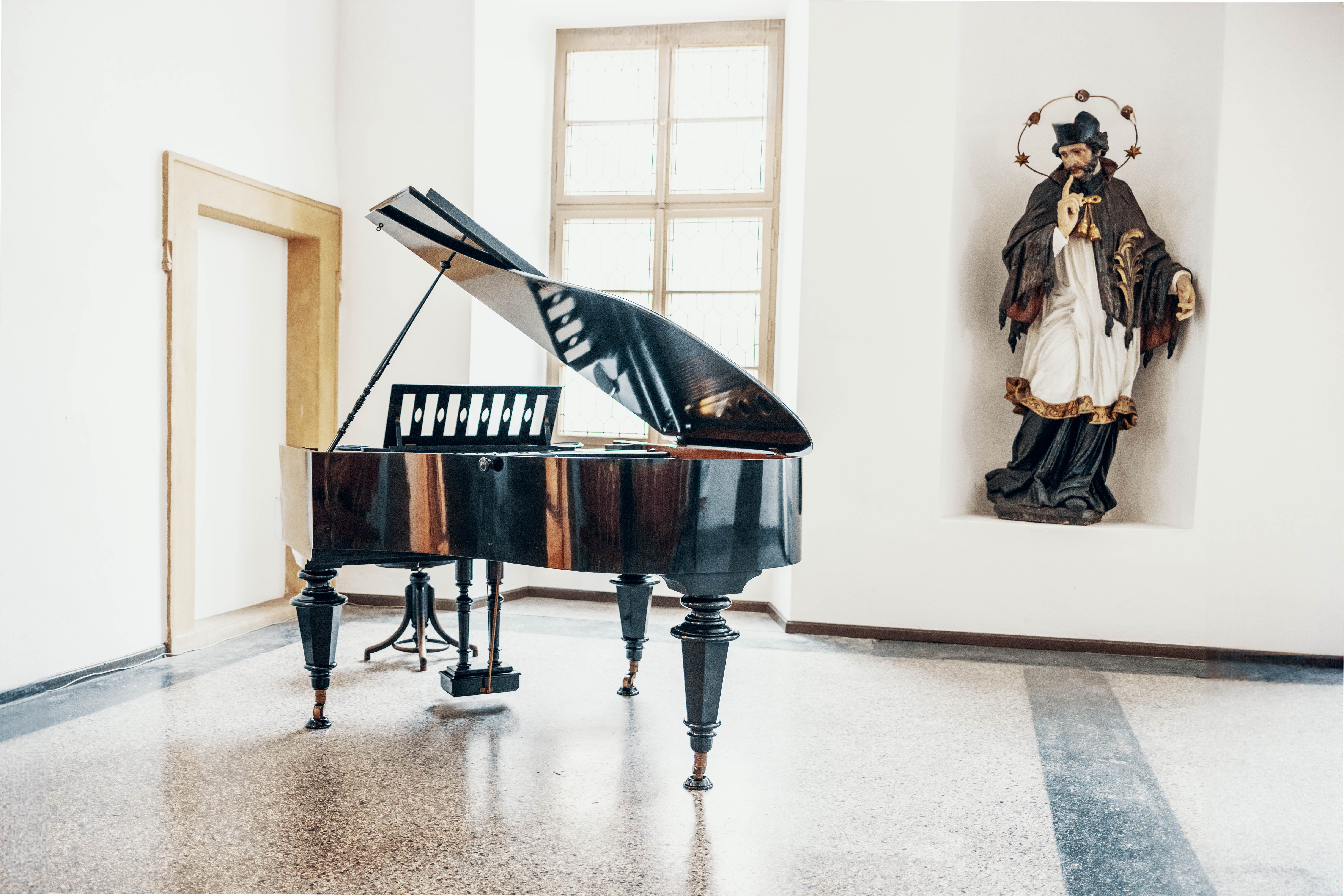
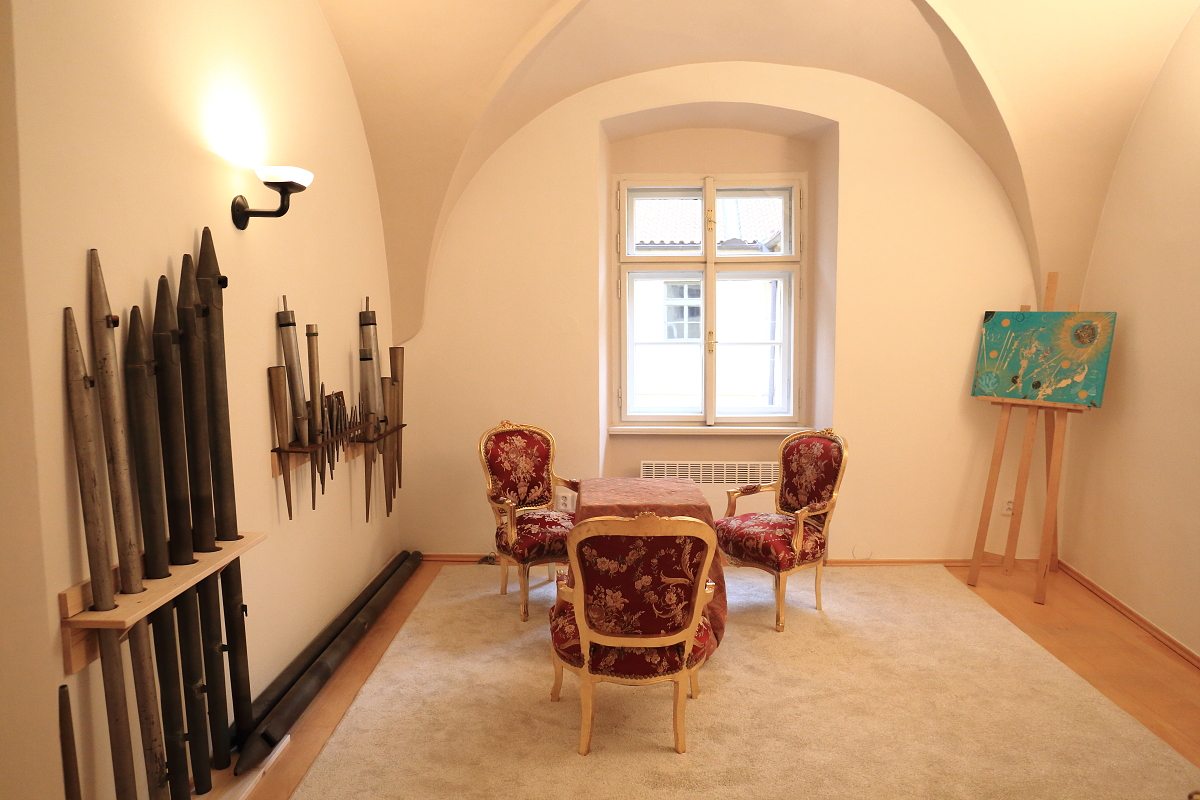
The friary is also an important cultural centre featuring original exhibitions, educational programmes, concerts, and a musical tradition dating back more than 300 years.
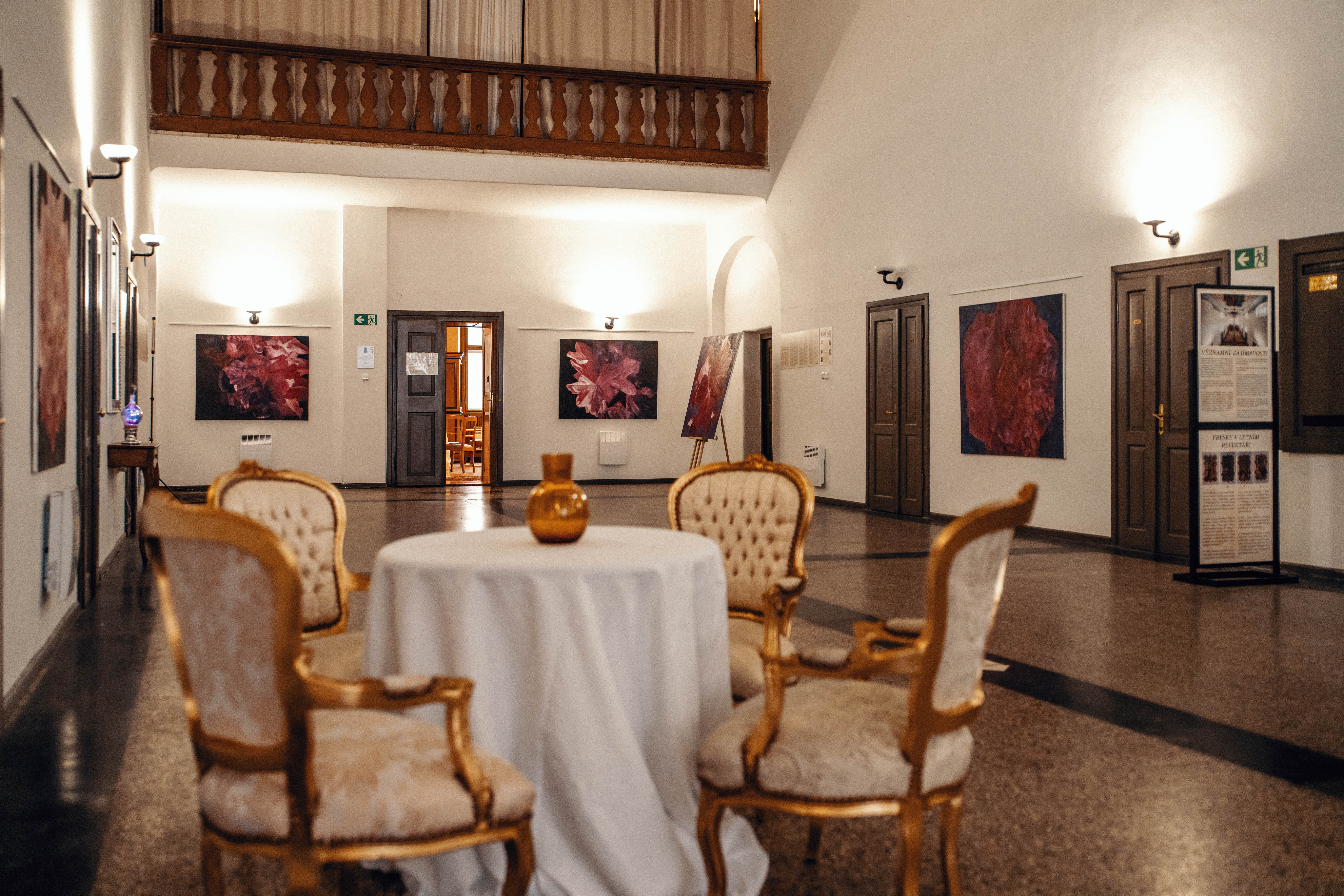
It is currently hosting the unique exhibition “Prague in Detail – The Anatomy of Prague’s Monuments,” which invites visitors on a journey not only through space but above all through time, revealing the hidden stories of Prague’s most significant buildings. In his works, academic painter and graphic artist Tomáš Rygl presents architecture not as a static backdrop, but as a living organism. Born in Jihlava, he is known for his work both in the Czech Republic and abroad. After studying at the Academy of Fine Arts in Prague (AVU), he continued his studies at the Glasgow School of Art.
In addition to creating multi-layered cross-sections of landmarks, since the 1990s he has also devoted himself to drawing bird’s-eye-view maps of world capitals and to publishing panoramic maps and guides to cities, regions, and cultural landmarks. His unique “X-ray view” method allows visitors to look beneath the surface of important buildings and uncover their hidden connections. His works depicting Prague’s most significant monuments help viewers understand their internal structure, architectural development, and details that are often impossible to notice during a traditional visit.
Through 36 paintings, visitors can symbolically “walk” through Prague from Prague Castle to St. James’s Basilica and discover the city from a completely new perspective.
Another unique experience is the “Minorite Code”, largest outdoor & indoor escape game in Czech Republic. It creatively combines elements of indoor and outdoor escape games, geocaching, and historical research. Participants become members of a mysterious society that has protected the legacy of the Minorites for centuries and, during their quest, uncover the hidden secrets of this extraordinary place.
If you are looking for a remarkable historical site in Prague, wondering what not to miss, or seeking inspiration for a trip, the Minorite Friary of St. James offers a unique combination of history, art, culture, and authentic atmosphere in one exceptional location.